How to spot a fake locksmith before you call
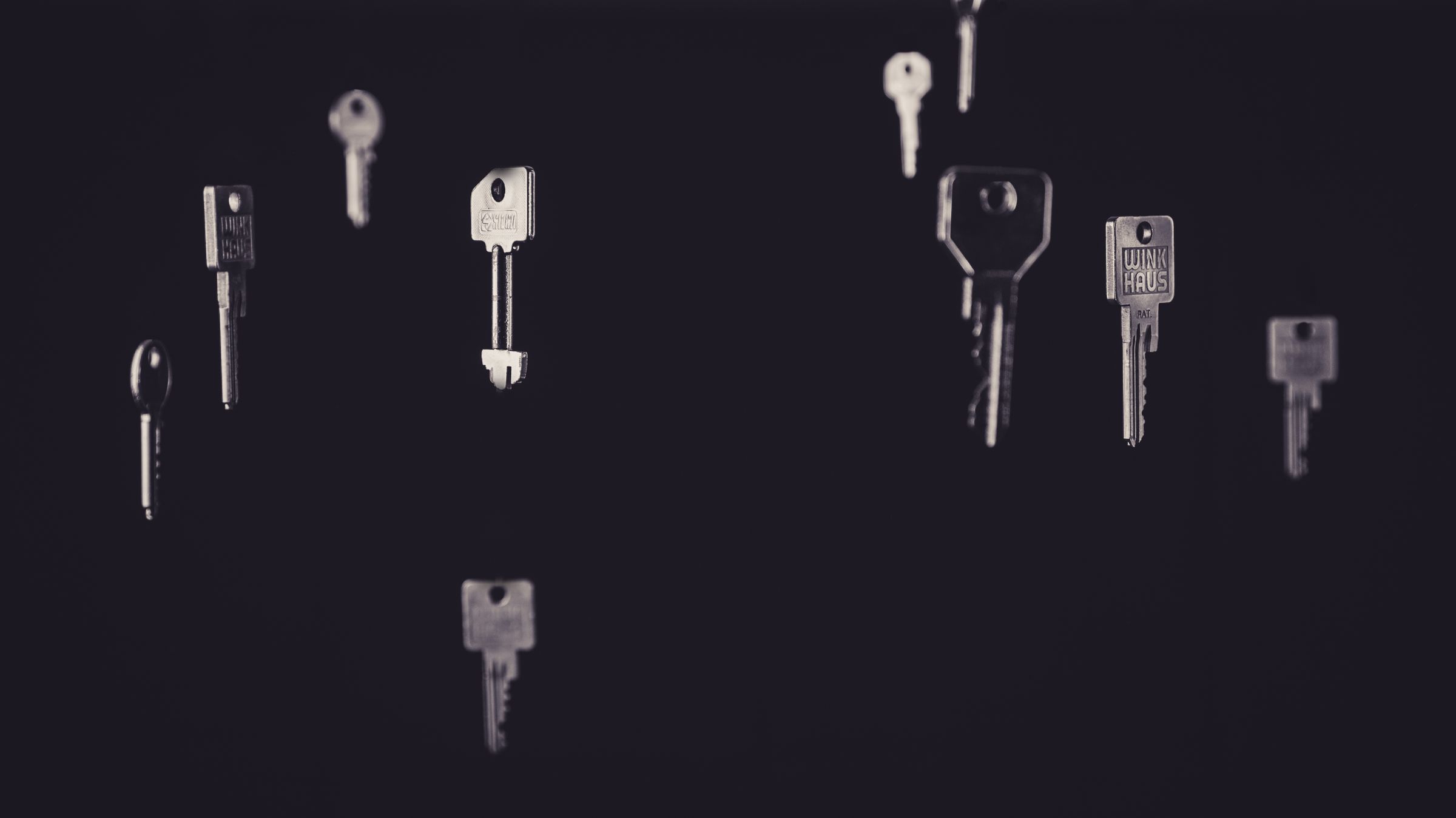
Stolen photographs, an address that is really a parking lot, and a price that doubles on the doorstep. The pattern is documented — here is how to check in under a minute.
LAK Locksmith Team5 min read
✳06 / 07 · Automotive service
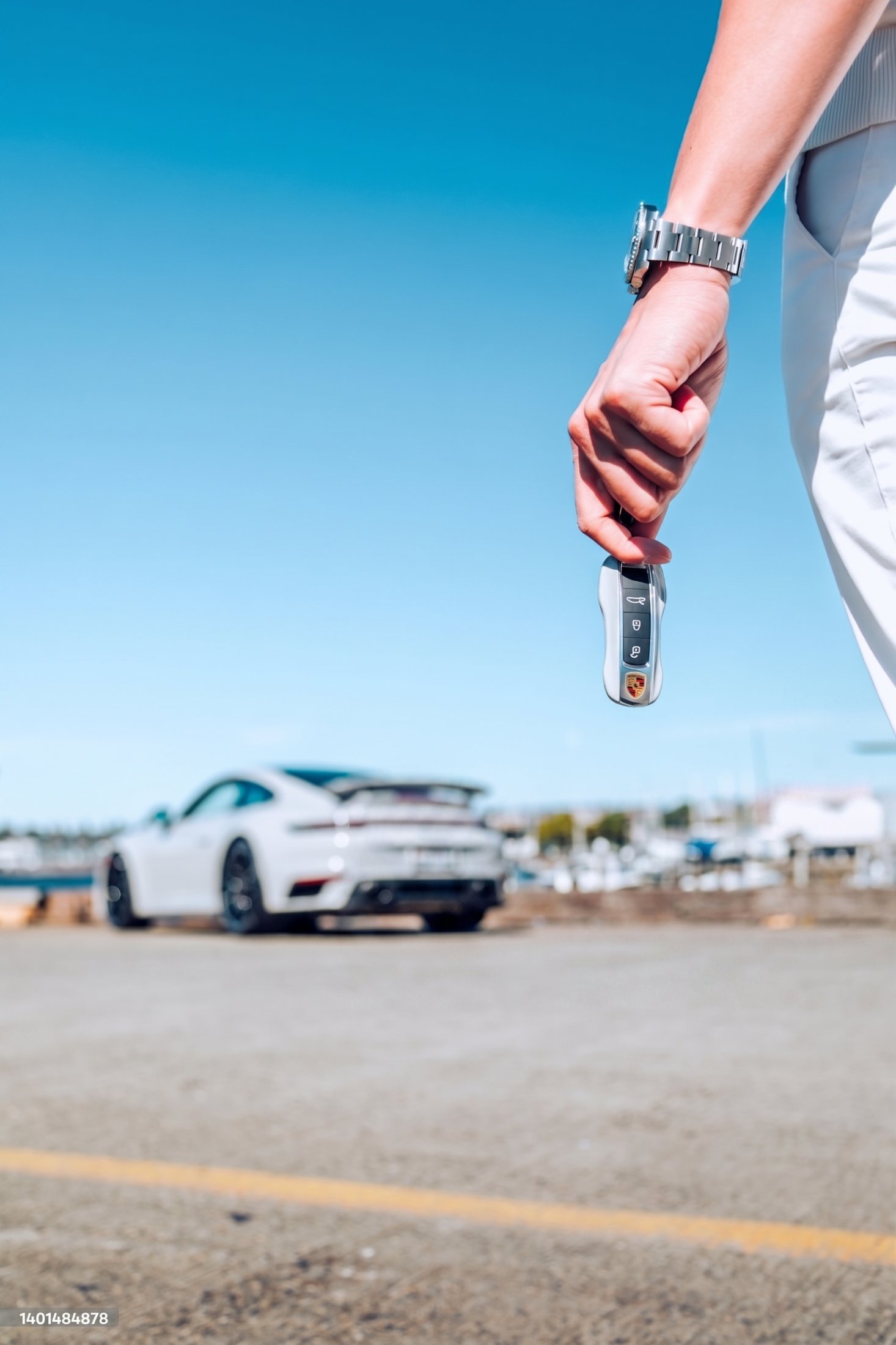
Proximity and push-to-start keys programmed for vehicles that never use a blade.
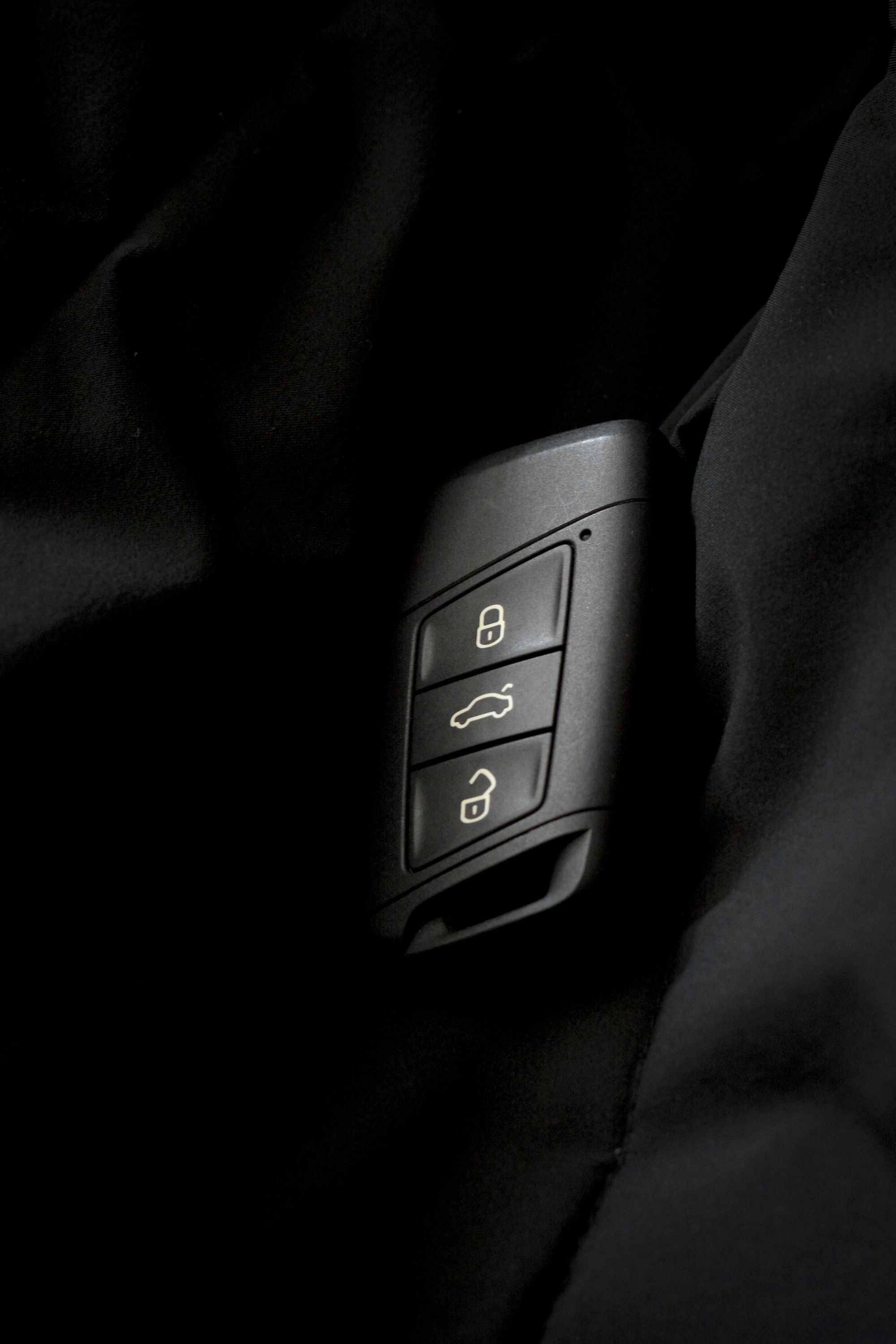
Smart keys authenticate by proximity, so the vehicle has to be taught the new key's credential rather than simply reading a static chip. The procedure differs by manufacturer and takes longer than a transponder key — typically 45 to 90 minutes. Most smart keys hide an emergency blade inside the fob, which we cut as well so a flat battery does not leave you standing outside the car.
A smart key never touches the ignition — the vehicle senses it nearby, authenticates it cryptographically, and unlocks the start button. There is no static chip to duplicate: the new key's credential has to be enrolled through the manufacturer's own pairing procedure, which differs by make and takes patience — the vehicle sets the pace, typically 45 to 90 minutes. It is the most involved key job in the catalogue, and it still does not require a dealership visit: the procedure runs at your parked vehicle.
Nearly every smart key conceals a mechanical emergency blade, and most owners discover it the day their fob battery dies in a parking lot. Enrolment here includes cutting that blade to your door lock and testing it — so a flat battery demotes your key from proximity to ordinary, instead of locking you out of a car that is right in front of you. If your current smart key works but has never had its blade cut, that is worth fixing on the same visit.
Start to finish, so nothing on the day is a surprise.
Year, make, model and ideally the VIN — smart-key procedures are manufacturer-specific, and the right one is confirmed before the visit.
The manufacturer's pairing procedure run at the vehicle, with realistic timing stated up front: the car dictates it, typically 45–90 minutes.
The hidden blade cut to your door lock and tested — the part of a smart key most owners never knew they had.
Walk-up unlock, push-button start, walk-away lock where fitted — the full behaviour proven before we pack up.
Emergency blade cut and tested, not just handed to you unfinished
Push-to-start and proximity systems handled at the vehicle
Realistic timing given upfront: 45–90 minutes, because the vehicle sets the pace, not us
The questions this job actually gets, answered the way they would be on the phone.
Yes — all-keys-lost on a proximity system is a longer procedure, but it is done at the vehicle: a new credential enrolled through the manufacturer's process, the emergency blade cut, and the car driving again without a tow.
Automotive work is mobile across the GTA — the technician and the equipment come to you, 24/7. Based at 470 N Rivermede Rd, Vaughan.
Not the job you have? The rest of what we do on this side of the trade — every one of them its own page, written the same way.
Getting you back into your vehicle without damaging the door, glass or trim.

Get a new car key cut and programmed by a professional mobile locksmith — fast, reliable service for most makes and models.
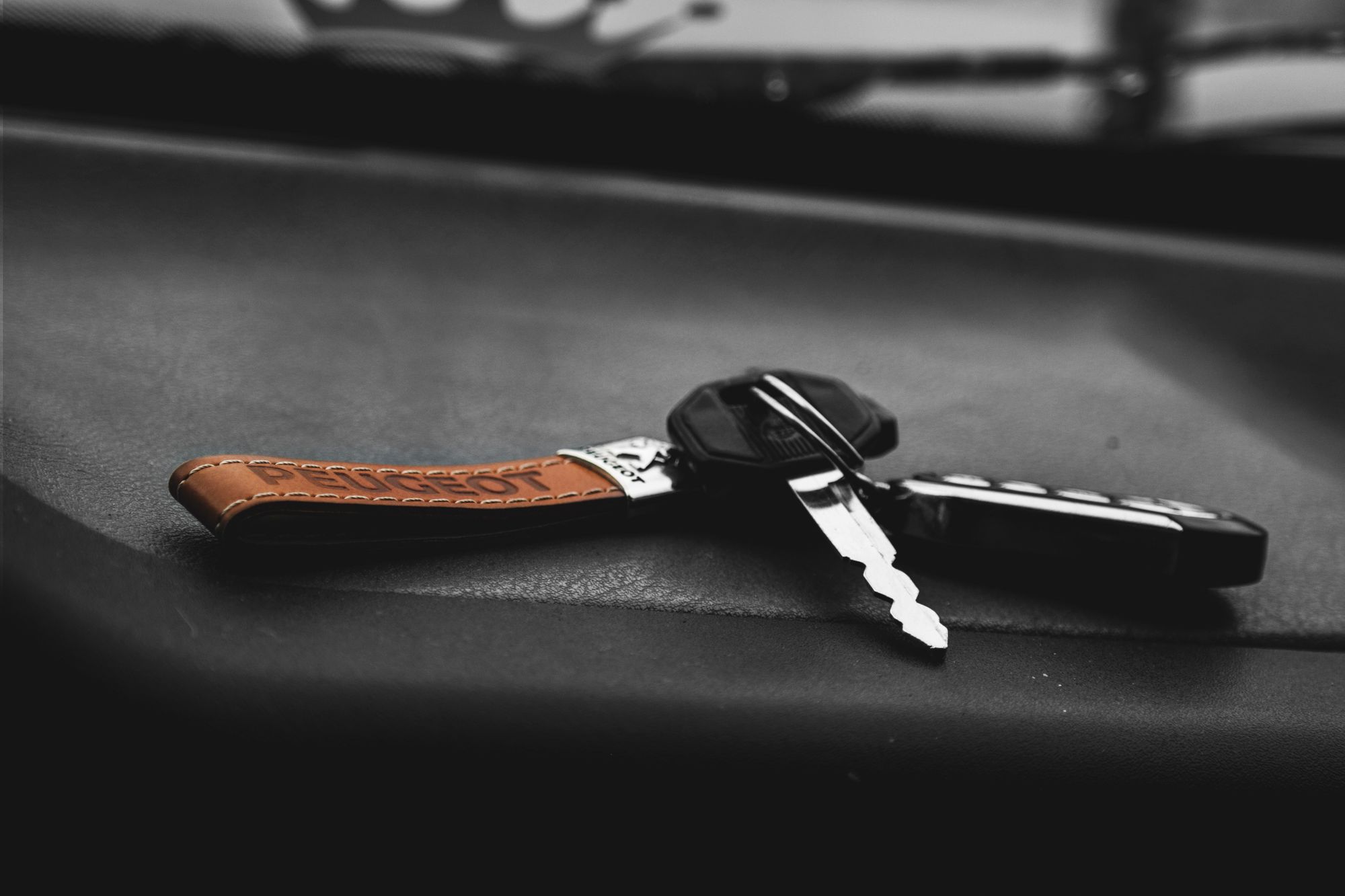
All keys lost, nothing left to copy — we originate a working key from scratch.
Replacing a lost, broken or water-damaged remote and pairing it to your vehicle.
Pairing a key or fob to your vehicle's immobilizer so the engine will start.
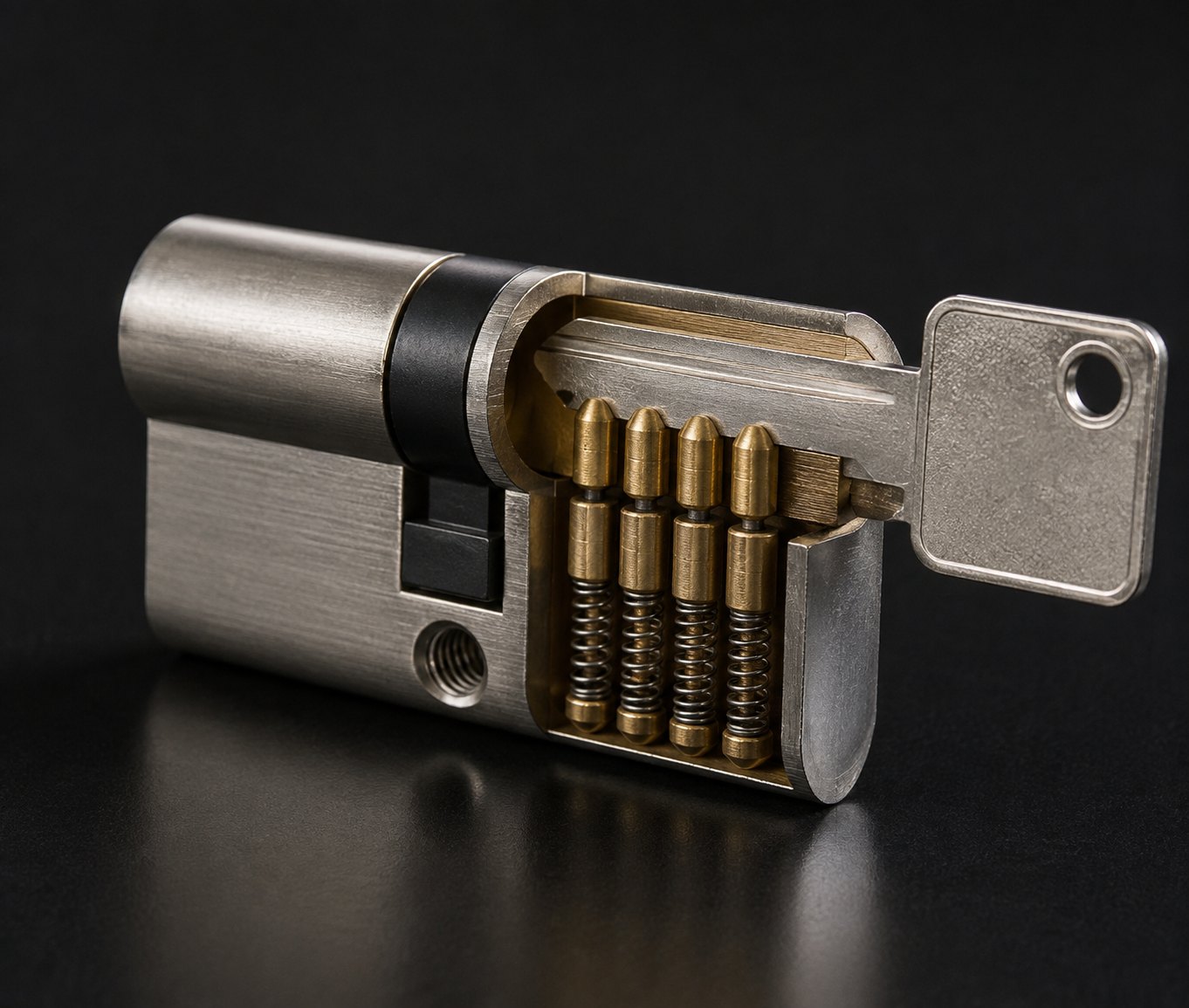
Fixing an ignition that will not turn, sticks, or has a key trapped in it.
The journal covers this side of the trade in depth — how things fail, what they cost you when they do, and what to check before calling anyone at all.
Stolen photographs, an address that is really a parking lot, and a price that doubles on the doorstep. The pattern is documented — here is how to check in under a minute.
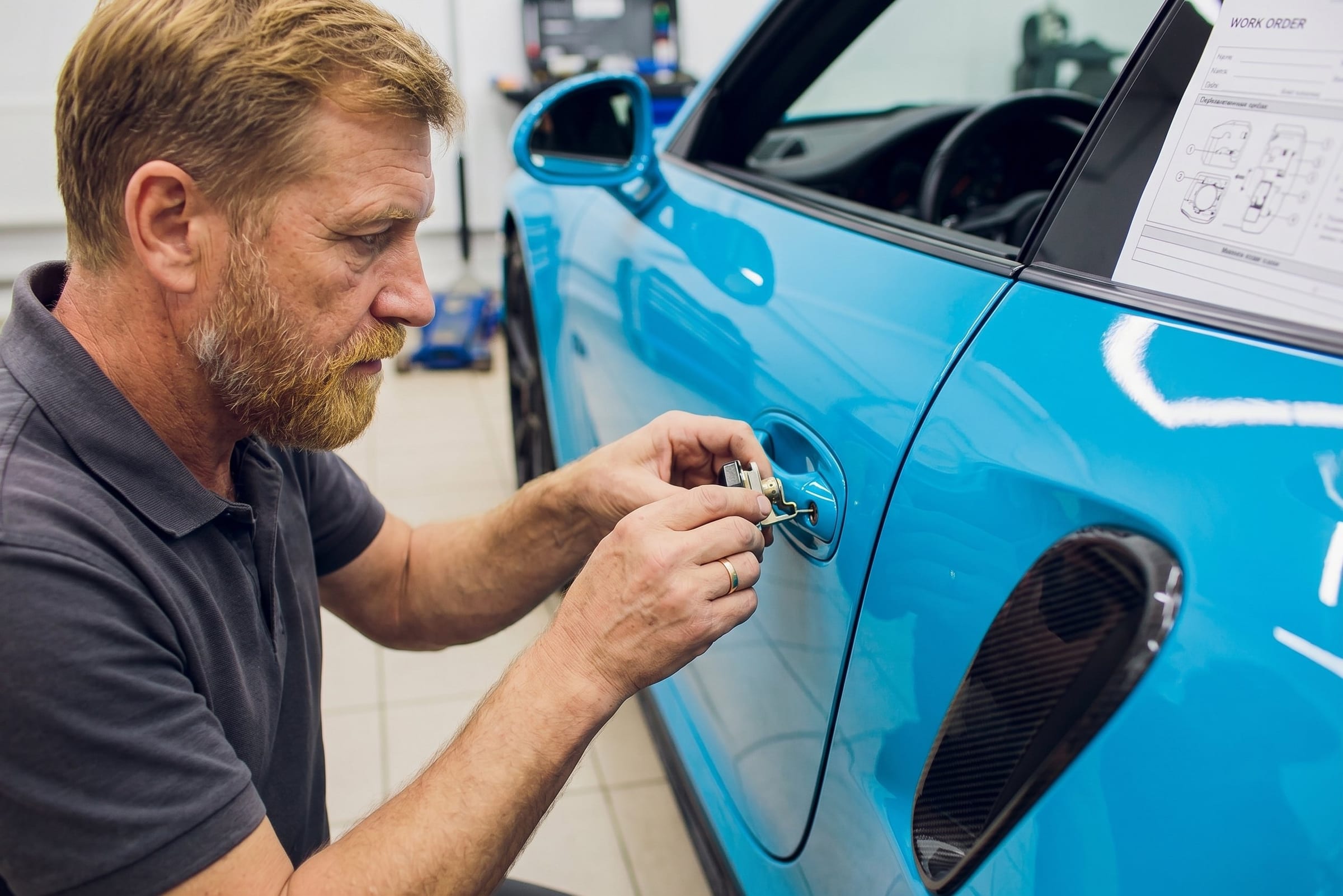
No spare, no key, and the car is in a parking lot. How a replacement is cut and paired on site, what the dealership does differently, and what the security gateway changed.
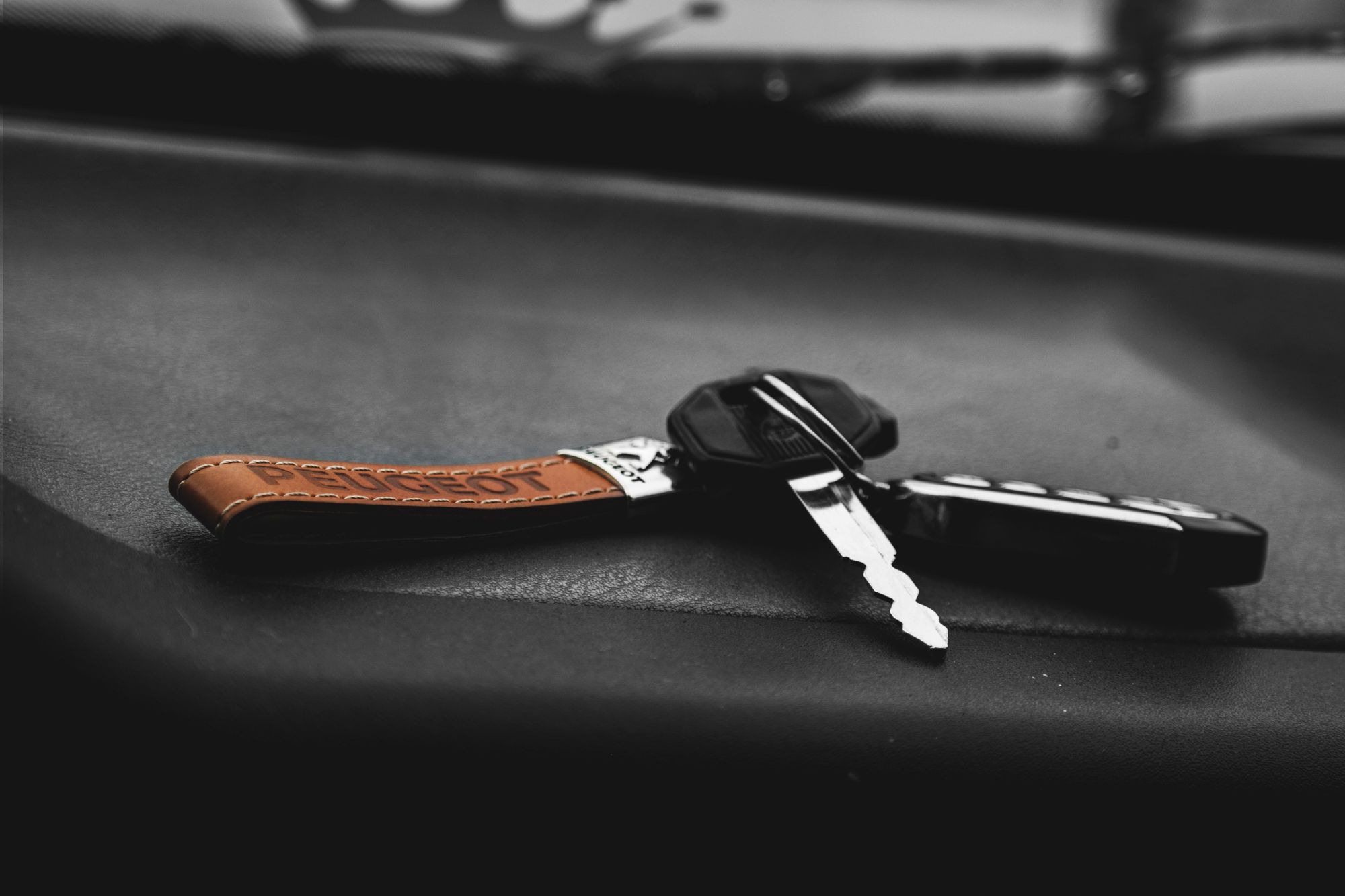
The chip in your key answers a challenge from the car every single time you start it. A plain explanation of the handshake, and what it means when it fails.
Everything LAK does sits in one of these: your car, your bike, your home or your business.