How to spot a fake locksmith before you call
Stolen photographs, an address that is really a parking lot, and a price that doubles on the doorstep. The pattern is documented — here is how to check in under a minute.
LAK Locksmith Team5 min read
✳01 / 04 · Residential service
Locked out of your home — we open the door and get you back inside.
A technician comes to you with the tools to open most residential locks without damaging them. We work the lock open by manipulation wherever the hardware allows, and if a door genuinely cannot be opened that way, you hear what the alternative costs before we touch it. We check the door still locks and closes normally before we leave.
The technician starts by reading the door, not attacking it: what lock it is, which way it fails, and what the frame is doing. Most residential cylinders open by manipulation — picking, bypass, or working the latch — which leaves the lock exactly as it was. Drilling exists for the hardware that genuinely cannot be worked open: a seized mechanism, a high-security cylinder, a lock already wrecked by a break-in attempt. If it comes to that, work stops and you hear what it means, and what a replacement involves, before the drill comes out. “It will have to be drilled” as an opening line is the oldest trick in this trade, and refusing it is half the reason to choose carefully who you call.
The line is answered around the clock, and it is worth saying so to whoever answers if you are standing somewhere dark, cold, or uncomfortable — that changes how the call is handled. While you wait: stay somewhere lit, keep your phone charged, and resist the urge to force a window or card the latch yourself. Improvised entry is how a lockout becomes a broken sash or a bent frame, and the repair costs more than the locksmith would have.
Start to finish, so nothing on the day is a surprise.
What kind of lock, what happened, and where you are. Thirty seconds of questions is what makes the quote you get real instead of a number designed to change later.
The quote comes on the phone, before dispatch — not on the doorstep with your door still shut. If the job turns out different on site, you hear the revised number before any work starts.
Photo ID and proof you live there, checked every time. It is our own policy, because the alternative is being the stranger who helps the wrong person into a house.
The lock is worked open, and before we leave we confirm it still locks, latches and closes normally — an open door that no longer secures is not a finished job.
Non-destructive entry first — drilling is a last resort, discussed beforehand, never a surprise line on the invoice
We confirm the lock still works after entry, rather than leaving a door that opens but no longer secures
ID and proof of residence checked before we open a door — our own policy, because the alternative is helping the wrong person inside
The questions this job actually gets, answered the way they would be on the phone.
Usually, yes. Most residential locks open by manipulation and are fine afterwards. Drilling is a last resort for hardware that cannot be worked open, and it is discussed with you before it happens — never discovered on the invoice.
Residential work is mobile across the GTA — the technician and the equipment come to you, 24/7. Based at 470 N Rivermede Rd, Vaughan.
Not the job you have? The rest of what we do on this side of the trade — every one of them its own page, written the same way.
The journal covers this side of the trade in depth — how things fail, what they cost you when they do, and what to check before calling anyone at all.
Stolen photographs, an address that is really a parking lot, and a price that doubles on the doorstep. The pattern is documented — here is how to check in under a minute.
From the phone call to the door opening — what the technician checks, why picking beats drilling almost every time, and what you will be asked to show.
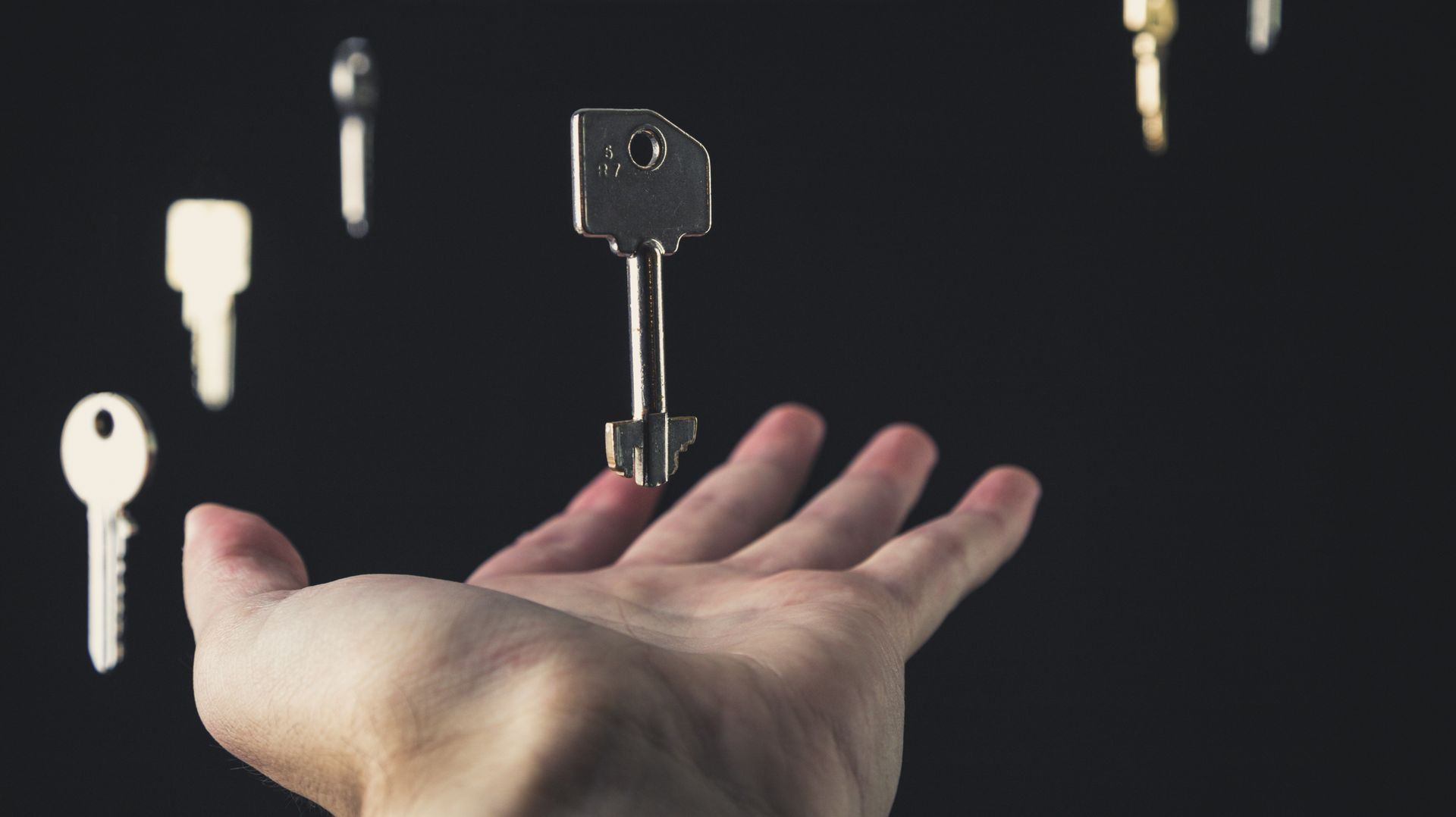
The previous owners' keys are still out there somewhere. Here is when changing the pins is enough, and when the hardware itself has to go.
Everything LAK does sits in one of these: your car, your bike, your home or your business.