
Access control for a small business: what to fit and what to skip
Fobs, keypads and phone-based entry for a shop or a small office — where they genuinely beat keys, and the fire-code constraint that governs all of it.
LAK Locksmith Team4 min read
✳04 / 04 · Commercial service
Panic hardware for commercial exits, installed and adjusted to release under pressure.
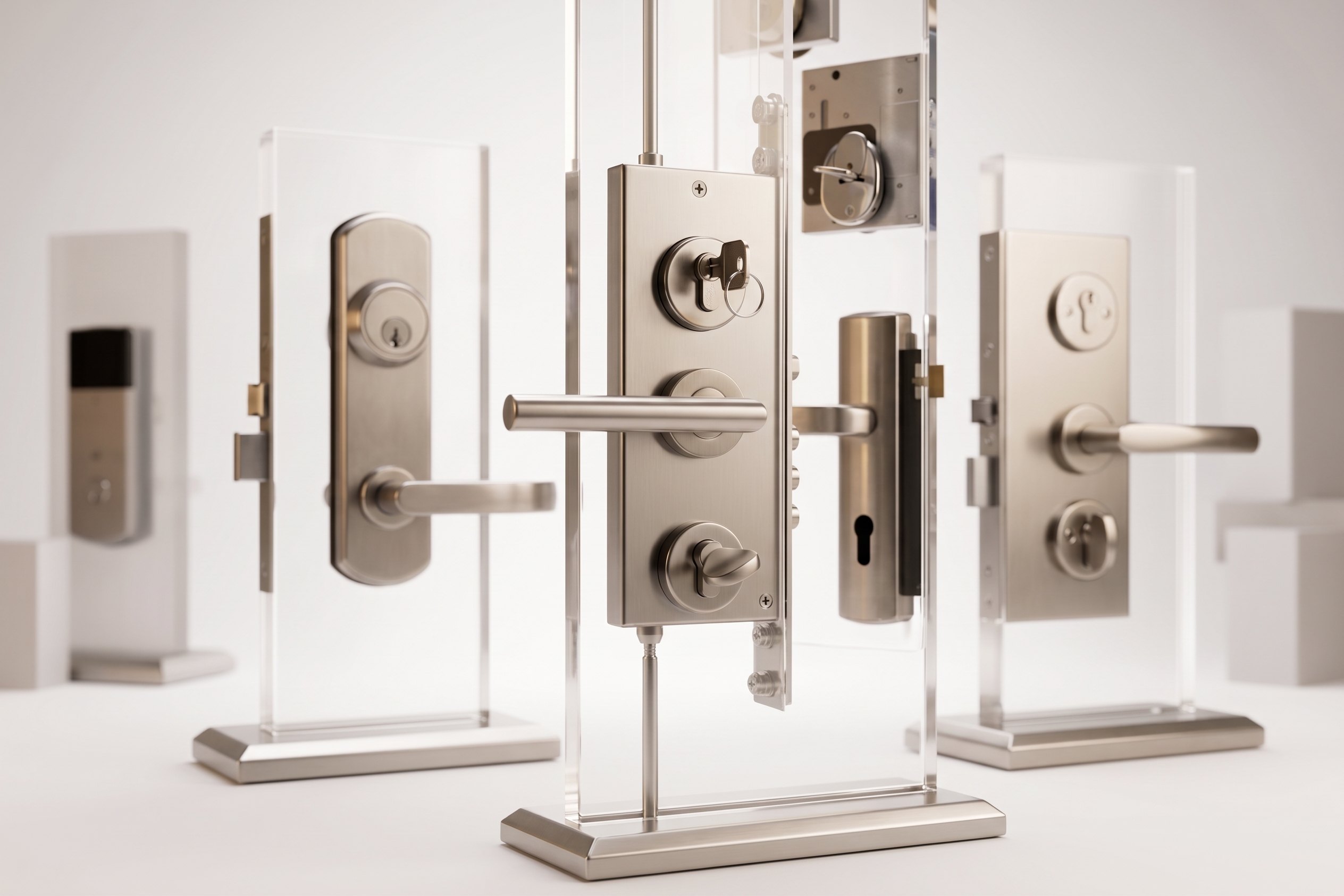
A push bar lets anyone leave through a locked door with a single push in the direction they are already moving, which is why exits serving larger occupant loads generally require one. We install the bar, set the operating force, and confirm it releases cleanly from anywhere along its length. On fire-rated doors the hardware cannot be held open mechanically, so those get electric dogging.
A push bar exists so that anyone — panicked, in the dark, in a crowd — can leave through a locked door with a single push in the direction they are already moving. No knob to find, no key to turn, no knowledge required. That is why exit-device requirements attach to assembly spaces and higher-occupancy commercial doors: in an emergency, the door has to work for the person who has never used it. We install the bar, set its operating force, and confirm it releases cleanly from anywhere along its length — because a bar that only releases at the centre has failed its one job.
Many exit doors need to stand unlocked through business hours, which is what dogging is for — holding the latch retracted so the door swings free. On a fire-rated door, mechanical dogging is not permitted: the door must be able to latch when it matters, so those doors take electric dogging that releases on alarm. Inspectors look for exactly this. We fit what your door's rating requires, keep exterior key access working where you want it, and leave the exit both compliant and convenient — the pairing that badly chosen hardware forces you to trade off.
Start to finish, so nothing on the day is a surprise.
Door construction, fire rating, traffic, and what the exit serves — the facts that decide the device and the dogging.
The bar mounted at the correct height, spanning enough of the door width to catch a push wherever it lands.
Release effort set within the limits that apply to your door, including the lower threshold where the exit is on an accessible route.
Released from the ends, the middle, low and high — and on fire-rated doors, confirmed to latch when the dogging releases.
Bar spans at least half the door width, so it releases wherever a person hits it in the dark
Operating force set within the 15 lb limit, and to the lower 5 lb figure where the exit is on an accessible route
Fire-rated doors get electric dogging — mechanical dogging is not permitted on a fire door, and inspectors look for it
The questions this job actually gets, answered the way they would be on the phone.
It depends on what the door serves and how many people it serves — occupancy thresholds and use are code questions we assess per door rather than answer generically. Call with the building type and door, and you will get a straight answer about what applies to it.
Commercial work is mobile across the GTA — the technician and the equipment come to you, 24/7. Based at 470 N Rivermede Rd, Vaughan.
Not the job you have? The rest of what we do on this side of the trade — every one of them its own page, written the same way.
The journal covers this side of the trade in depth — how things fail, what they cost you when they do, and what to check before calling anyone at all.
Fobs, keypads and phone-based entry for a shop or a small office — where they genuinely beat keys, and the fire-code constraint that governs all of it.
The short answer is no — not on an occupied unit, not for unpaid rent, and not by asking a locksmith to do it. Here is what the Residential Tenancies Act actually says.
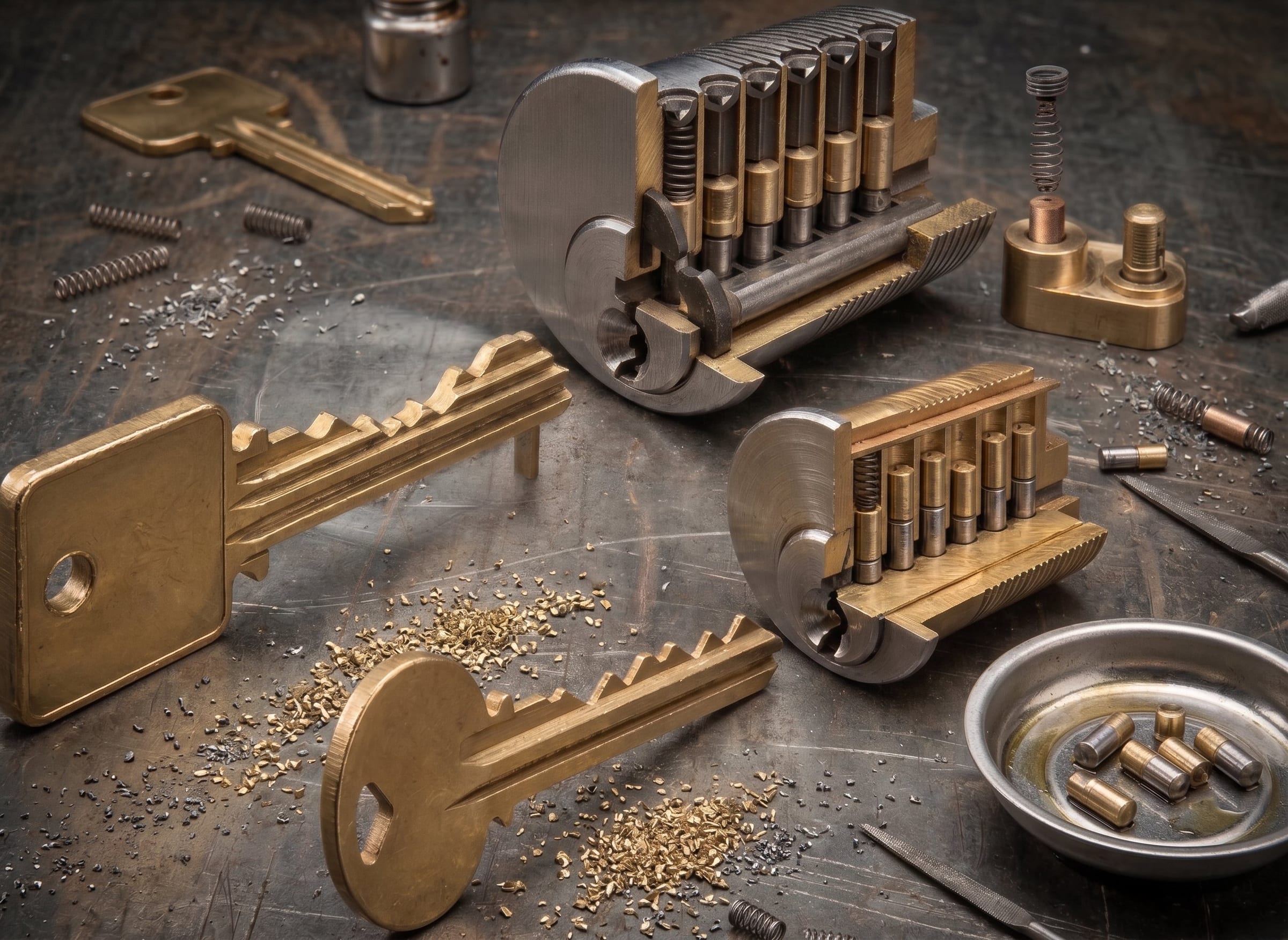
One key for the owner, one per unit, one for the cleaner. How a system is laid out before any cylinder is pinned — and the mistake that makes it unmaintainable in two years.
Everything LAK does sits in one of these: your car, your bike, your home or your business.