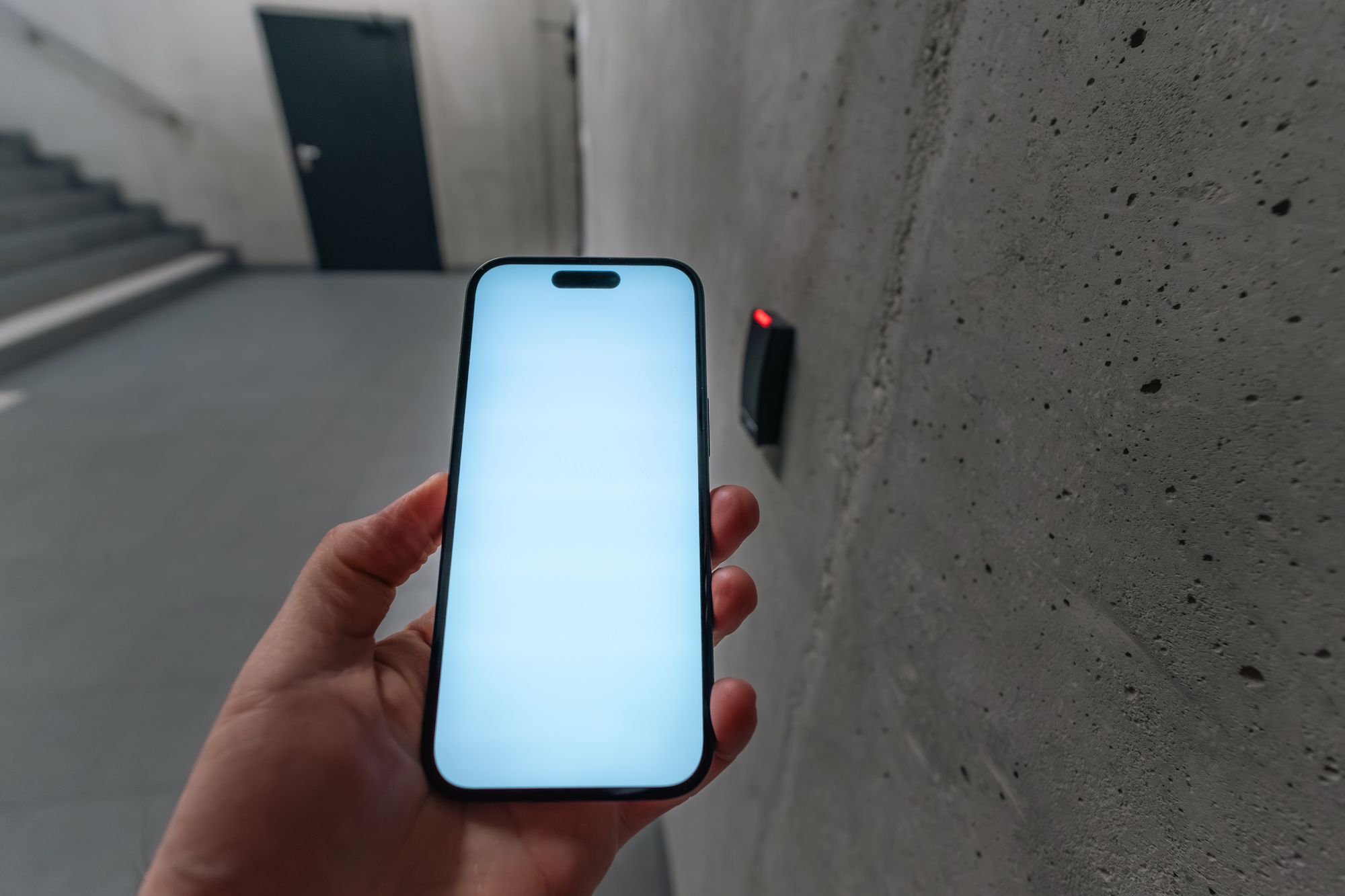
Access control for a small business: what to fit and what to skip
Fobs, keypads and phone-based entry for a shop or a small office — where they genuinely beat keys, and the fire-code constraint that governs all of it.
LAK Locksmith Team4 min read
✳01 / 04 · Commercial service
Getting a business back open — storefront, office, warehouse or restricted room.
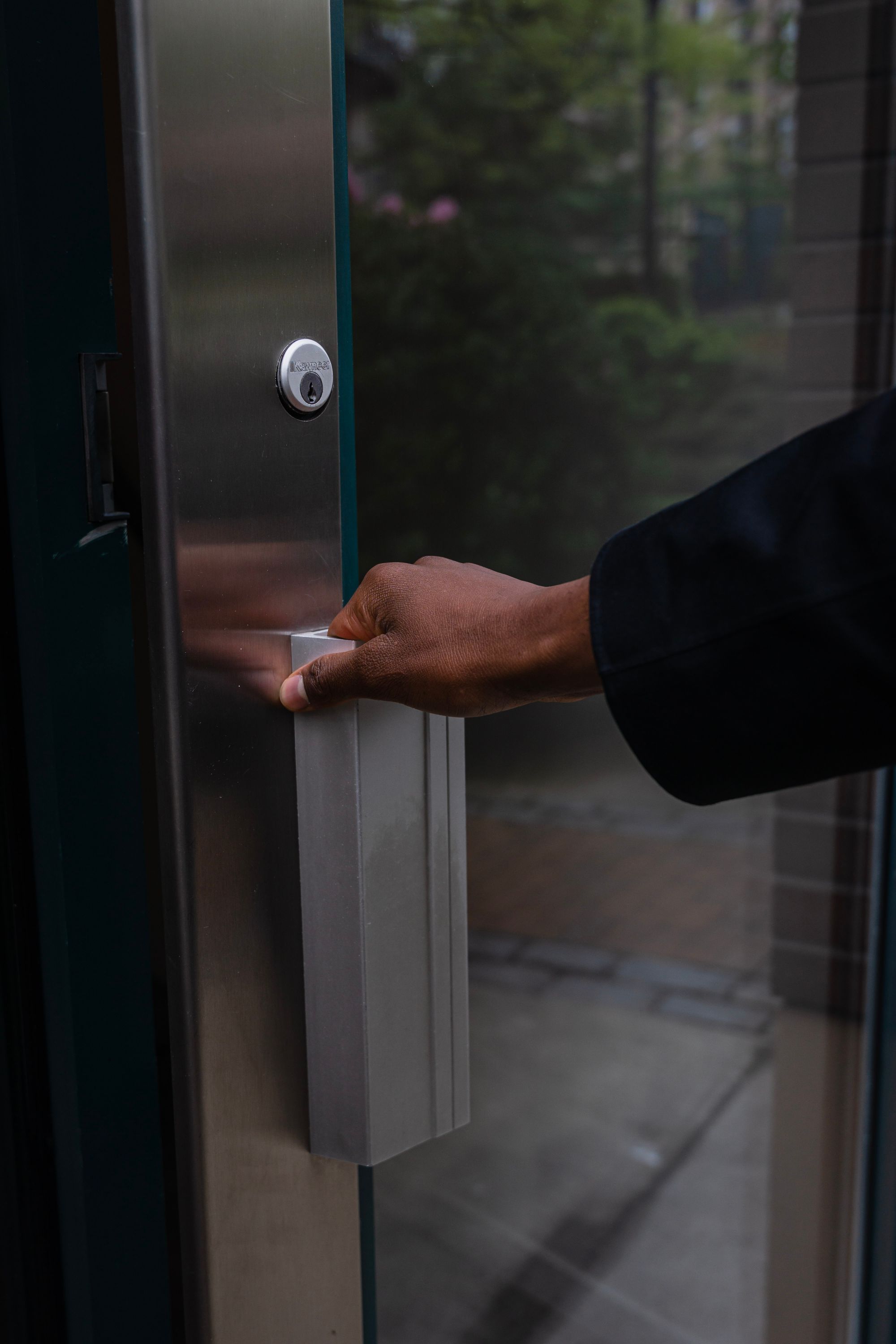
Commercial doors use hardware residential methods do not apply to: mortise cylinders, storefront deadlatches, aluminum frames that bend before they give. We open them without damaging the door or frame wherever the hardware allows. If the lock failed rather than the key, we can rekey or replace on the same visit so you are not closed twice.
An aluminum storefront frame will bend before it gives; a mortise cylinder sits in a case a residential technique never touches; a deadlatch that has dropped out of adjustment can hold a door shut against its own working key. Opening these doors without damage is a matter of having the right approach for the hardware, because the wrong one costs more than the lock — a sprung storefront frame is a glazier's bill, not a locksmith's. We open storefronts, offices, warehouses, and interior doors like server rooms and stockrooms where the key has gone missing.
If the door would not open because the hardware failed — rather than because the key was left at home — then reopening it this morning means it fails again tonight. The visit carries the parts to rekey or replace common commercial cylinders on the spot, so one call puts the door back in service instead of scheduling a second closure. Before we leave, the door locks, latches and closes the way your insurance assumes it does.
Start to finish, so nothing on the day is a surprise.
Storefront glass, back steel door, interior office — what the door is determines what comes off the van, and it sharpens the quote you get on the phone.
A lease, business registration, or listing as the responsible keyholder. We open businesses for the people entitled to be in them, and the check takes two minutes when it is genuine.
The hardware is worked open with commercial techniques matched to the frame and lock case — no drilled cylinder as an opening move, no bent storefront rail.
If the lock failed rather than the key, it is rekeyed or replaced then and there, so you are not paying twice to be closed twice.
Aluminum storefront, mortise and deadlatch hardware handled properly — the wrong technique on a storefront frame costs more than the lock
Available overnight and on weekends, when a door that will not open costs the most
Same-visit rekey or replacement when the hardware itself has failed
The questions this job actually gets, answered the way they would be on the phone.
A lease or property-management authorisation, business registration matching the premises, or being the listed keyholder on the account that called. If none of that exists, we do not open the door — the same policy that protects your business the day someone else tries it.
Commercial work is mobile across the GTA — the technician and the equipment come to you, 24/7. Based at 470 N Rivermede Rd, Vaughan.
Not the job you have? The rest of what we do on this side of the trade — every one of them its own page, written the same way.
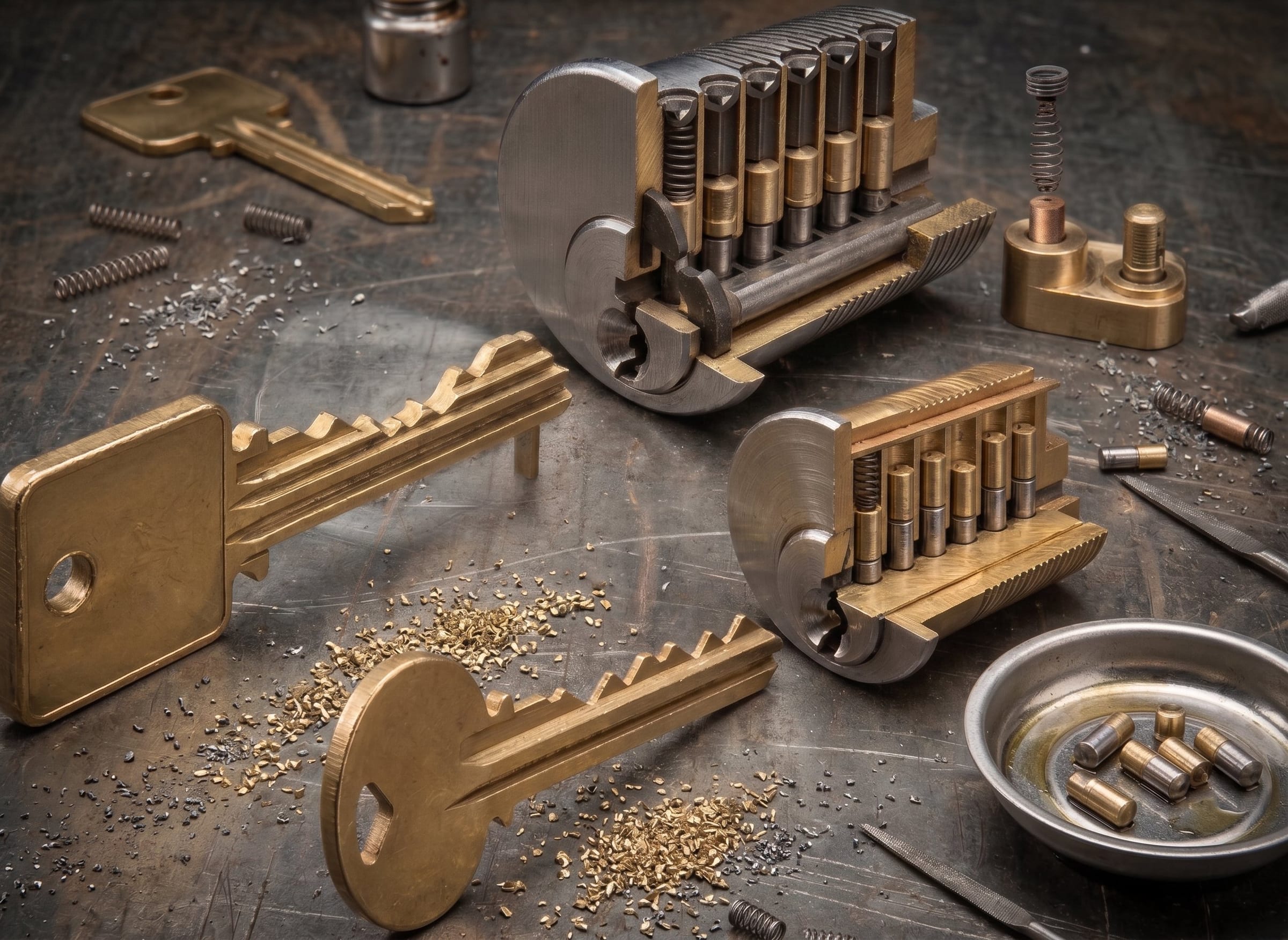
One key that opens everything, and staff keys that open only what they should.
Fitting and adjusting the arm that pulls a commercial door shut behind you.
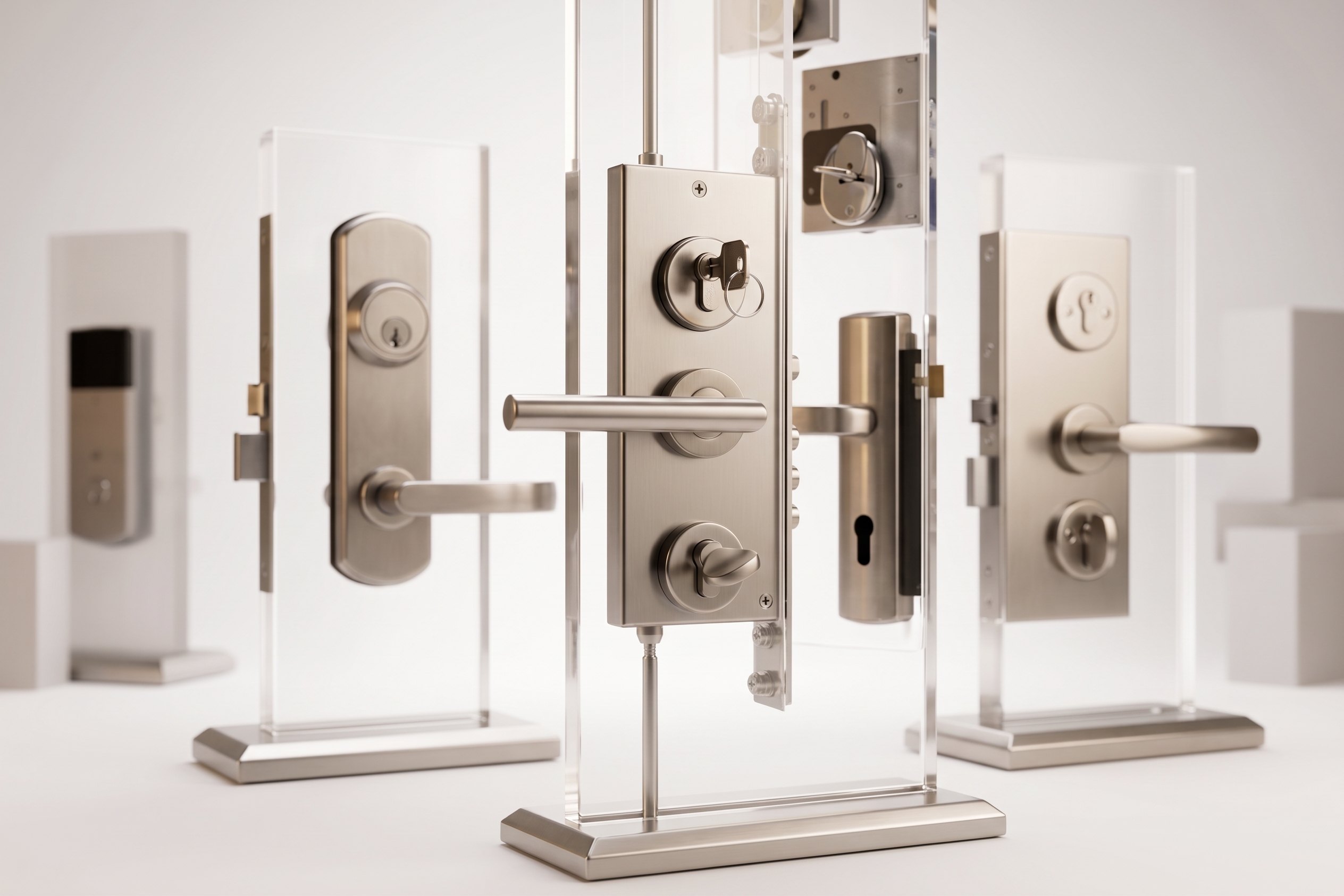
Panic hardware for commercial exits, installed and adjusted to release under pressure.
The journal covers this side of the trade in depth — how things fail, what they cost you when they do, and what to check before calling anyone at all.
Fobs, keypads and phone-based entry for a shop or a small office — where they genuinely beat keys, and the fire-code constraint that governs all of it.
The short answer is no — not on an occupied unit, not for unpaid rent, and not by asking a locksmith to do it. Here is what the Residential Tenancies Act actually says.
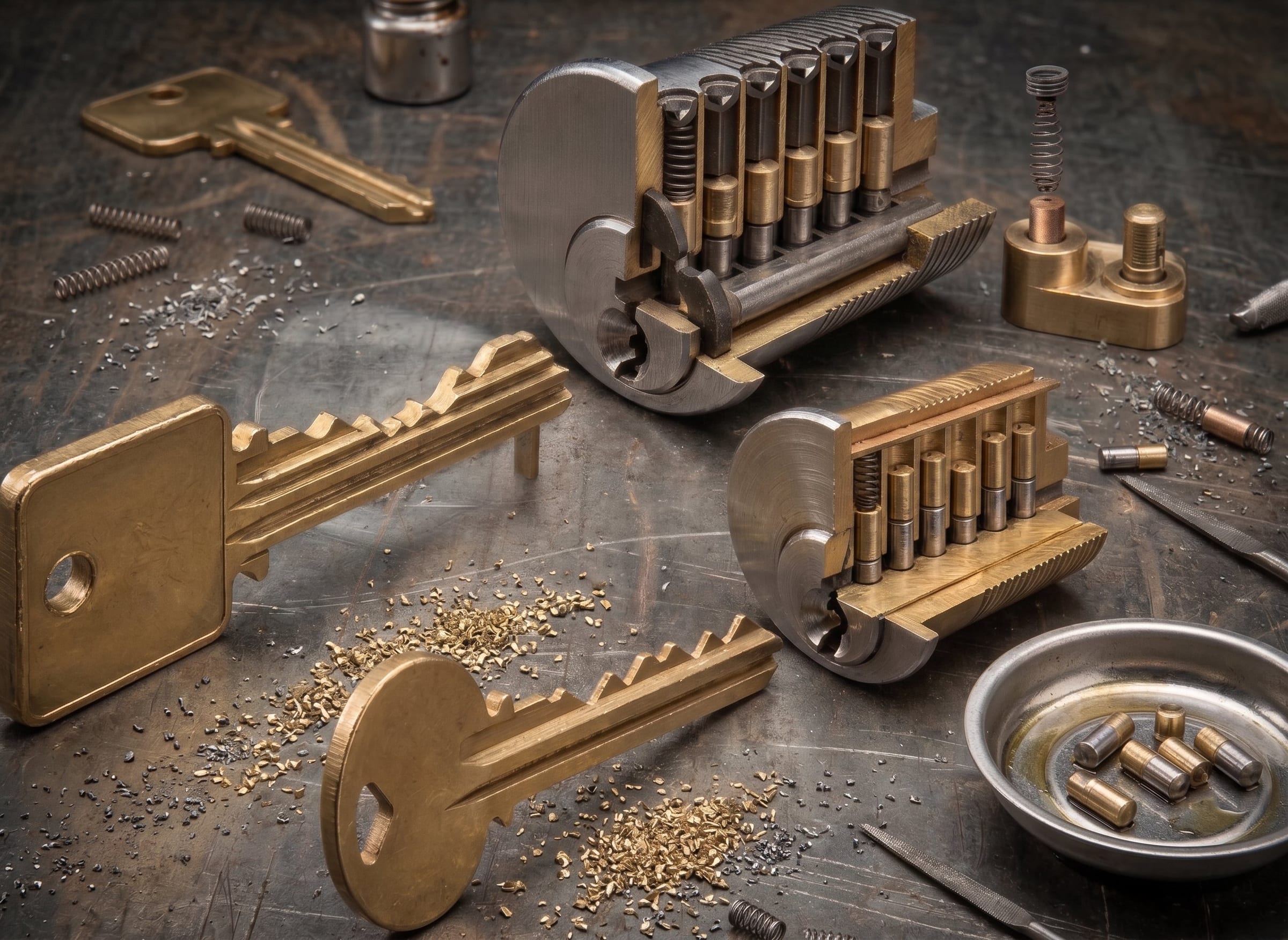
One key for the owner, one per unit, one for the cleaner. How a system is laid out before any cylinder is pinned — and the mistake that makes it unmaintainable in two years.
Everything LAK does sits in one of these: your car, your bike, your home or your business.