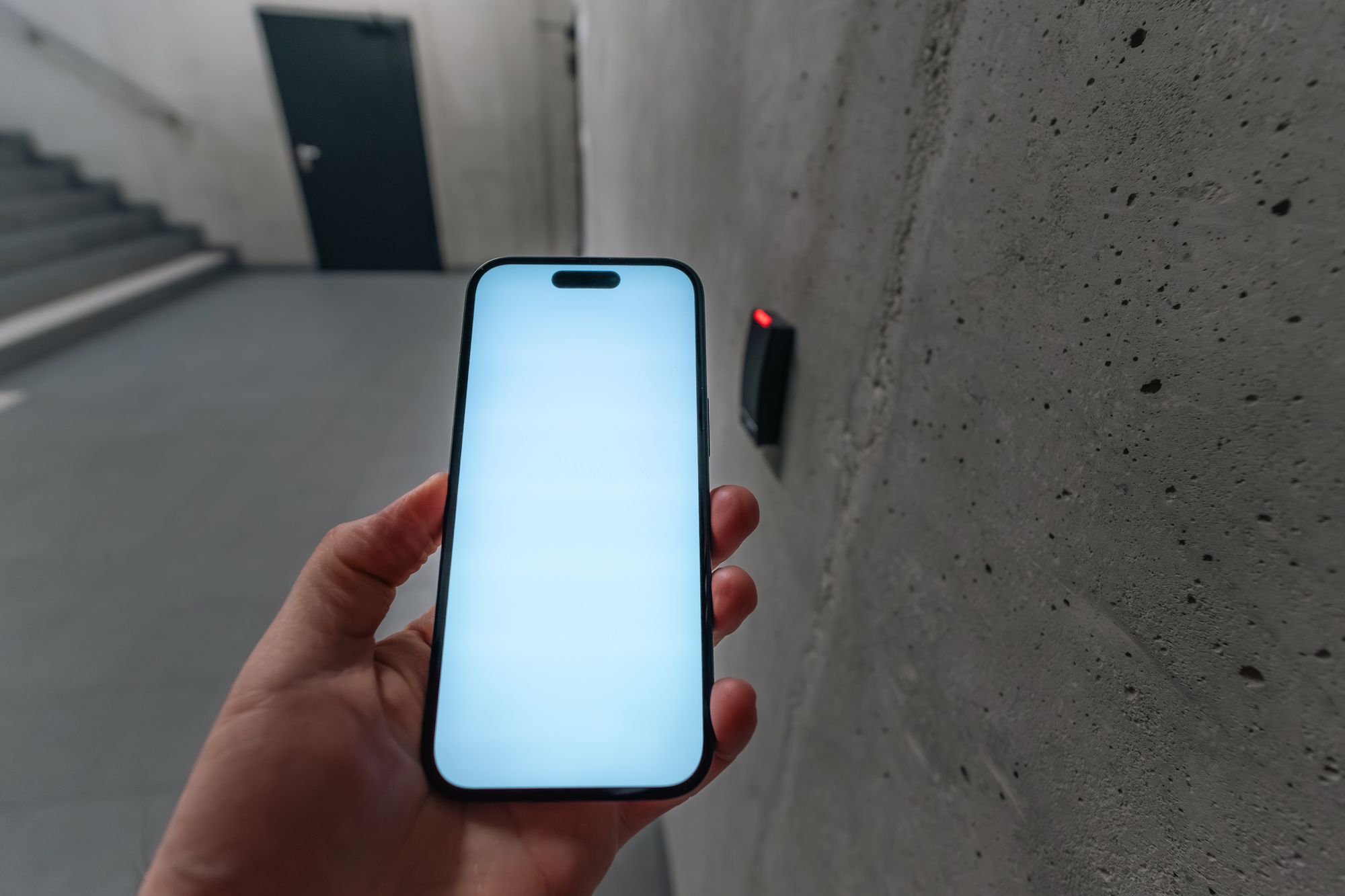
Access control for a small business: what to fit and what to skip
Fobs, keypads and phone-based entry for a shop or a small office — where they genuinely beat keys, and the fire-code constraint that governs all of it.
LAK Locksmith Team4 min read
✳03 / 04 · Commercial service
Fitting and adjusting the arm that pulls a commercial door shut behind you.

A door closer decides whether a door actually latches. Set wrong, it either slams or drifts shut without engaging the latch — and a door that does not latch is an unlocked door, regardless of how good the lock is. We size the closer to the door's weight and width, mount it, and set the sweep and latch speeds so it closes properly every time.
The closer decides whether your door actually engages its lock. Set too weak, the door drifts to rest against the strike without latching — and every lock on it becomes decoration. Set too strong, it slams: hard on the hardware, the glass, and everyone who uses the door. The failure is invisible because the door looks closed; you find out when the alarm company calls, or when the inspection does. Fitting and adjusting closers correctly is unglamorous work that quietly carries the security of the whole doorway.
Closers are rated by door weight and width — an undersized unit fails within a year, an oversized one turns the door into a workout. We size to the actual door, mount it, and set the two speeds that matter: sweep, so the door closes at a civilised pace, and latch, so the final inches carry enough energy to seat the latch every time — not most times. Opening force is kept low enough that the door stays usable for people who cannot pull hard, which on accessible routes is not a courtesy but a requirement.
Start to finish, so nothing on the day is a surprise.
Weight, width, traffic and exposure — the numbers that pick the closer, and a check of hinges and alignment that adjustment cannot fix.
The correctly rated closer, mounted to the door and frame the way its template intends, not the way the last one happened to be.
The door closes smoothly and finishes with enough force to latch — verified over repeated closes, not one lucky one.
The test that matters: the door latching itself from a range of opening angles, so “closed” means locked, not resting.
Sized to the door rather than fitted generically, which is why cheap closers fail within a year
Latch speed set so the door engages the strike on every close, not most closes
Adjusted to stay easy enough to open in everyday use, including for people who cannot pull hard
The questions this job actually gets, answered the way they would be on the phone.
Sometimes it is only adjustment: closers have separate sweep and latch valves, and a slam is often a latch speed set wide open. If the closer has lost fluid or the valves no longer hold a setting, it is done — we tell you which case yours is before replacing anything.
Commercial work is mobile across the GTA — the technician and the equipment come to you, 24/7. Based at 470 N Rivermede Rd, Vaughan.
Not the job you have? The rest of what we do on this side of the trade — every one of them its own page, written the same way.
Getting a business back open — storefront, office, warehouse or restricted room.
One key that opens everything, and staff keys that open only what they should.
Panic hardware for commercial exits, installed and adjusted to release under pressure.
The journal covers this side of the trade in depth — how things fail, what they cost you when they do, and what to check before calling anyone at all.
Fobs, keypads and phone-based entry for a shop or a small office — where they genuinely beat keys, and the fire-code constraint that governs all of it.
The short answer is no — not on an occupied unit, not for unpaid rent, and not by asking a locksmith to do it. Here is what the Residential Tenancies Act actually says.
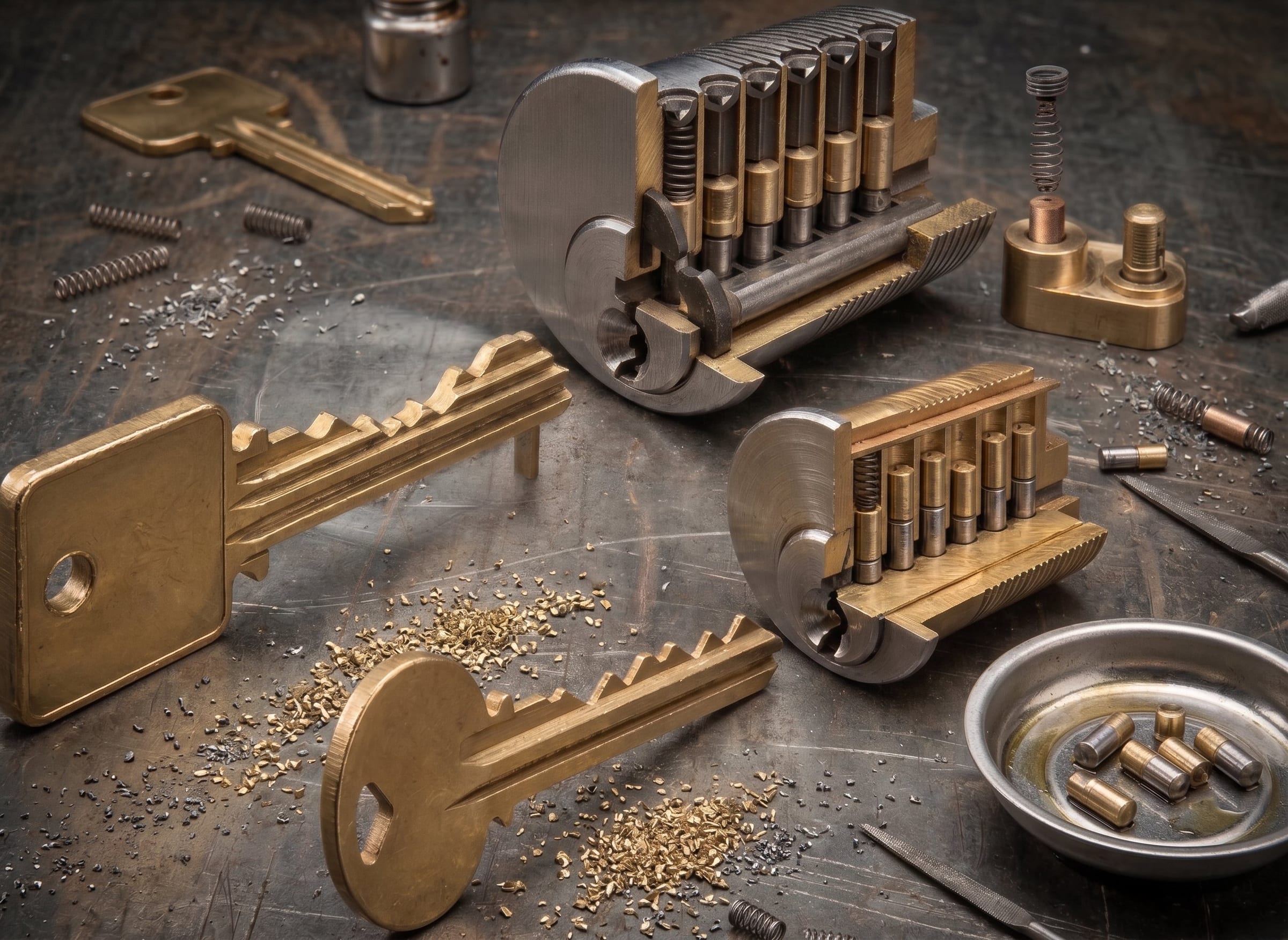
One key for the owner, one per unit, one for the cleaner. How a system is laid out before any cylinder is pinned — and the mistake that makes it unmaintainable in two years.
Everything LAK does sits in one of these: your car, your bike, your home or your business.