✳02 / 04 · Motorcycle service
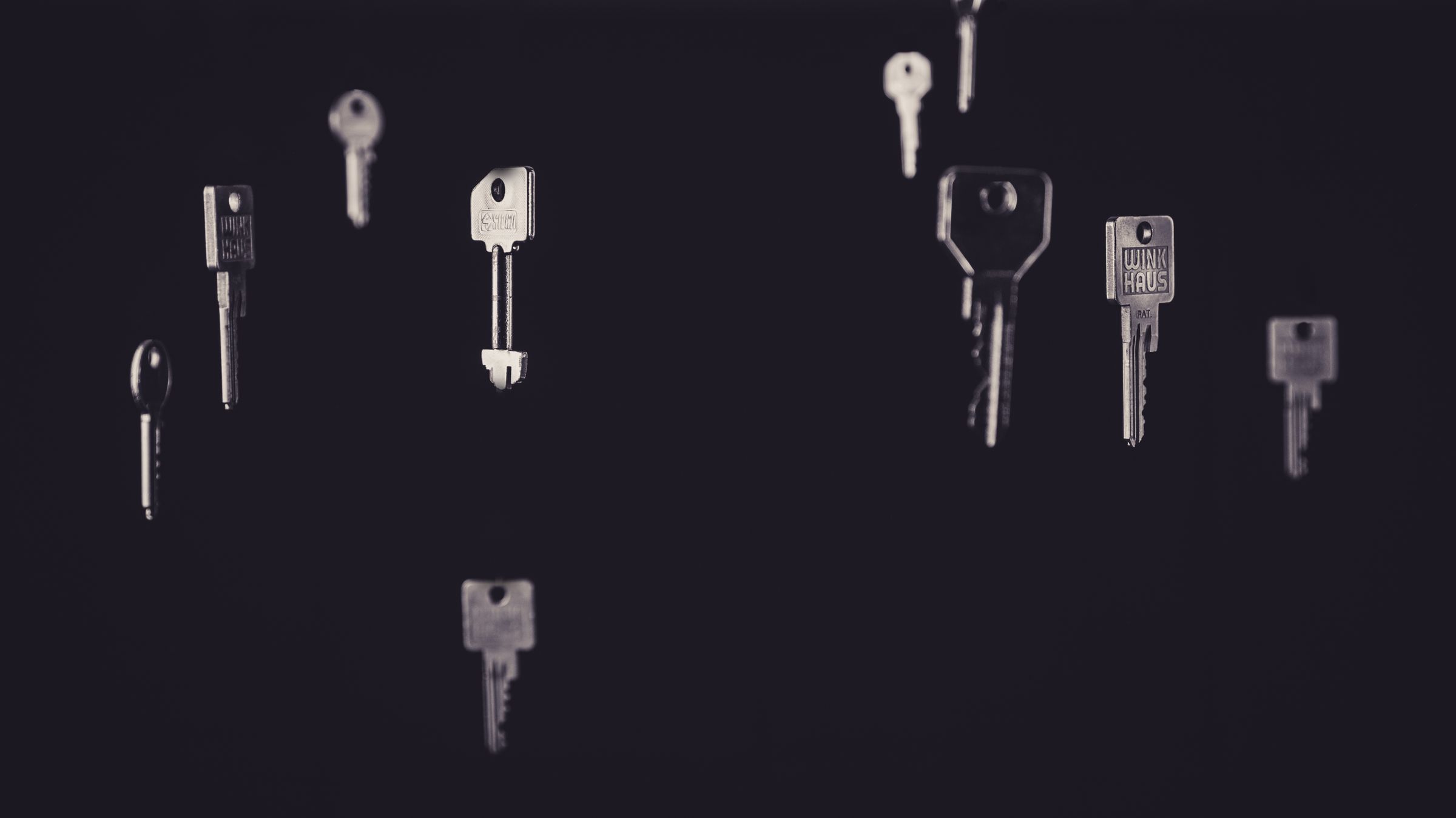
The electronic half of a modern bike key — programmed to the machine so it actually starts.
- Category
- Motorcycle
- Availability
- 24/7
- Coverage
- 10 GTA cities
- The visit
- 4 steps
✳On this page
What this actually involves
Cutting is the mechanical half of a modern motorcycle key; the immobiliser is the other half. Most machines built since the late nineties carry a chip in the key head that the bike interrogates before it will run, which is why a perfectly cut key can turn the ignition and do nothing at all. Programming happens at the bike, and where a key has been lost rather than worn out we recommend erasing it from the immobiliser in the same visit.
Two devices pretending to be one
Hold a modern bike key and you are holding two things: a blade cut to a code, and a transponder the machine has to recognise. They fail separately and they are fixed separately. A worn blade that no longer turns is a cutting problem. A blade that turns freely while the dash lights up and the engine refuses is an immobiliser problem, and no amount of recutting will change that. Most of the confusion — and most of the overcharging — in this corner of the trade comes from blurring the two, so we say which one yours is before the work starts.
Why erasing an old key matters more on a bike
When a key is lost rather than broken, the security question is not whether you can start the bike again — it is who else can. Programming a new key does not, on its own, stop an old one working. Erasing the missing key from the immobiliser does, and it takes the same visit. On a machine that can be pushed, lifted or ridden away in seconds, that is the difference between an inconvenience and a standing invitation, so we raise it even when it is not what you called about.
How the visit goes
Start to finish, so nothing on the day is a surprise.
- Step 01
Describe what the bike does
Make, model and year, and what happens when you turn the key — nothing at all, dash lights and no crank, or cranks and will not fire. That symptom usually tells us which half has failed.
- Step 02
Ownership checked at the bike
Same rule as every key we make: ID plus a document tying you to the machine, checked before any programming equipment comes out.
- Step 03
Programmed on site
The new credential is written to the bike using its own procedure, at the bike, with the equipment we brought — not back at a shop, and not next week.
- Step 04
Started, tested, and old keys erased on request
We start the machine with the new key in front of you, and if a key is unaccounted for, ask us to erase it while we are there.
What to expect
A key that turns but will not start is usually an unprogrammed chip, not a bad cut — we tell you which before you pay for the wrong fix
A lost key can be erased from the bike's immobiliser, so whoever finds it holds a piece of plastic instead of a way to ride off
Programmed at the machine, wherever it is parked, rather than booked in somewhere for next week
Asked before calling
The questions this job actually gets, answered the way they would be on the phone.
Almost certainly not. If the blade turns the ignition, the mechanical half is right; what is missing is the electronic half. The bike is reading a chip it does not recognise and refusing to run, which is the immobiliser doing its job. That is a programming visit, not a recut.
Where we go
Motorcycle work is mobile across the GTA — the technician and the equipment come to you, 24/7. Based at 470 N Rivermede Rd, Vaughan.
- Toronto
- Vaughan
- Markham
- Brampton
- Mississauga
- Richmond Hill
- Scarborough
- Pickering
- Ajax
- Oshawa
More motorcycle work
Not the job you have? The rest of what we do on this side of the trade — every one of them its own page, written the same way.
 01
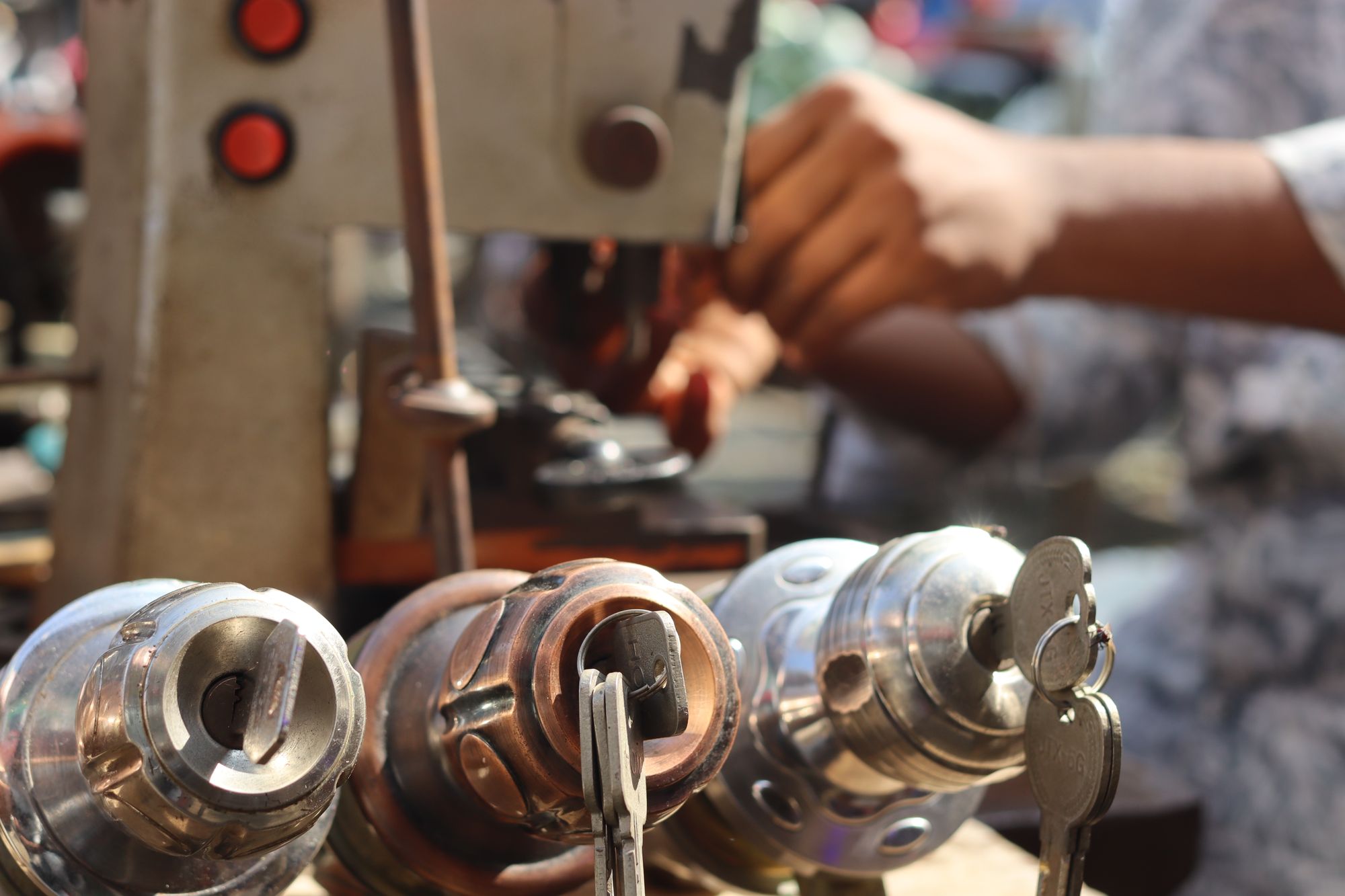
01Motorcycle Key Replacement
A new key cut for your bike where it is parked — including when every key is gone.
 02
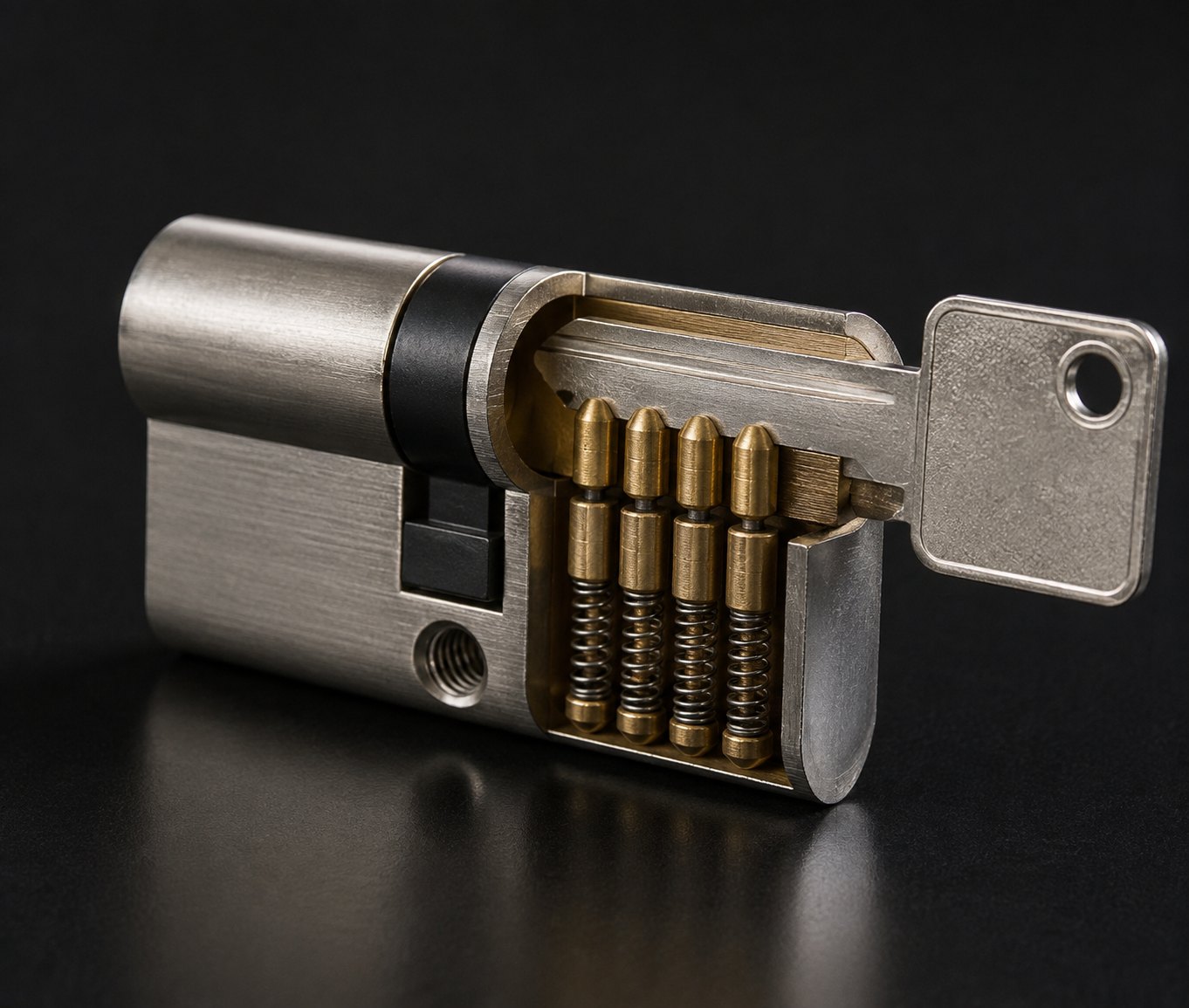
02Motorcycle Ignition Repair
A switch that sticks, spins, or has a key snapped in it — diagnosed and repaired at the bike.
 03
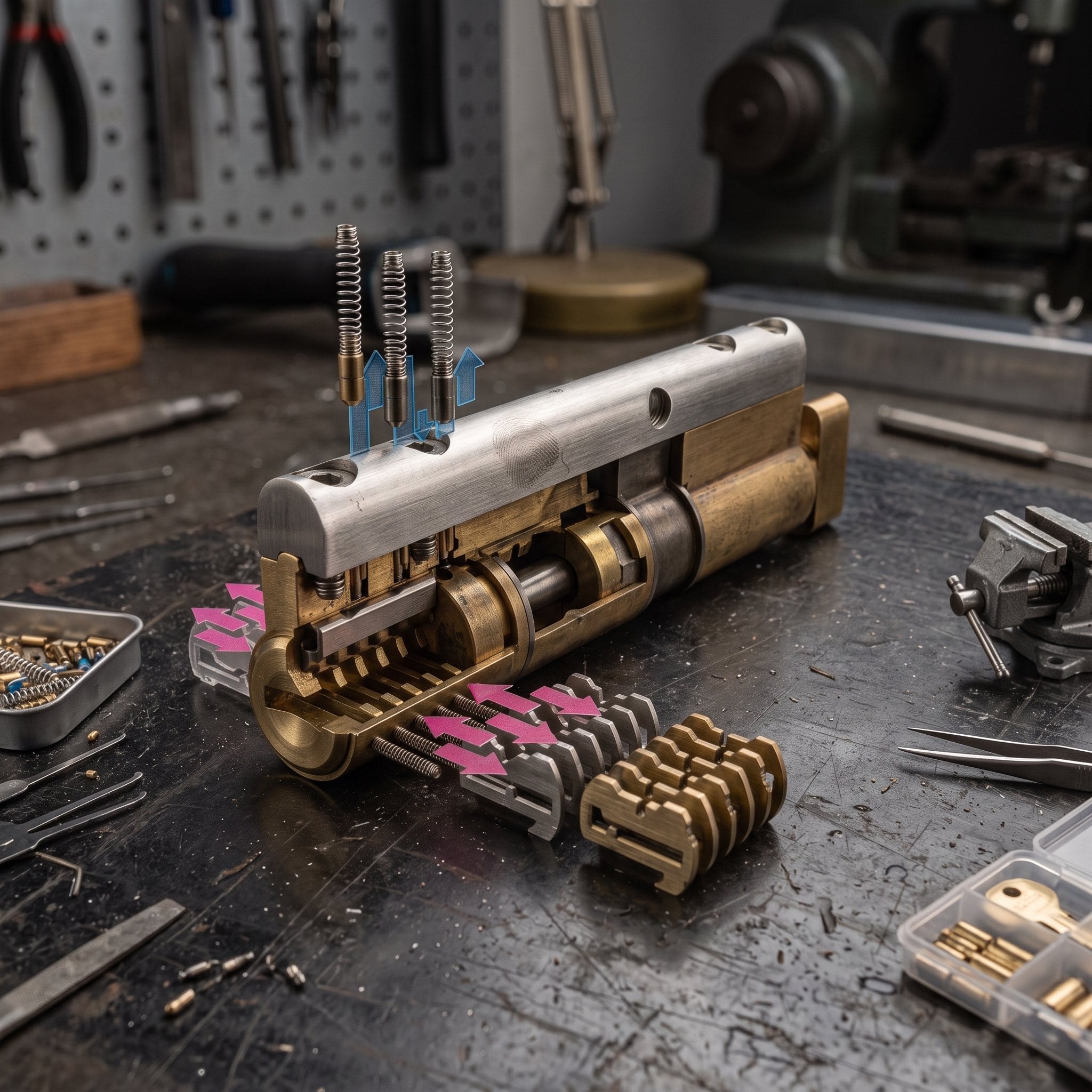
03Motorcycle Lockout & Storage Locks
Seat locks, topcases, panniers and fork locks opened without wrecking the hardware.
The other doors
Everything LAK does sits in one of these: your car, your bike, your home or your business.
- (01)Emergency4 services
- (02)Automotive7 services
- (03)Motorcycle4 services
- (04)Residential4 services
- (05)Commercial4 services