✳03 / 04 · Motorcycle service
A switch that sticks, spins, or has a key snapped in it — diagnosed and repaired at the bike.
- Category
- Motorcycle
- Availability
- 24/7
- Coverage
- 10 GTA cities
- The visit
- 4 steps
✳On this page
What this actually involves
A motorcycle ignition lives outdoors, takes weather all year, and is worked with a key that is usually carried loose in a pocket. When it starts sticking, turning without doing anything, or refusing a key that used to be fine, the fault is either the key or the cylinder — and which one decides whether this is a small visit or a real repair. We establish that first, at the bike, and say which before anything is taken apart.
A worn key and a worn ignition feel identical from the saddle
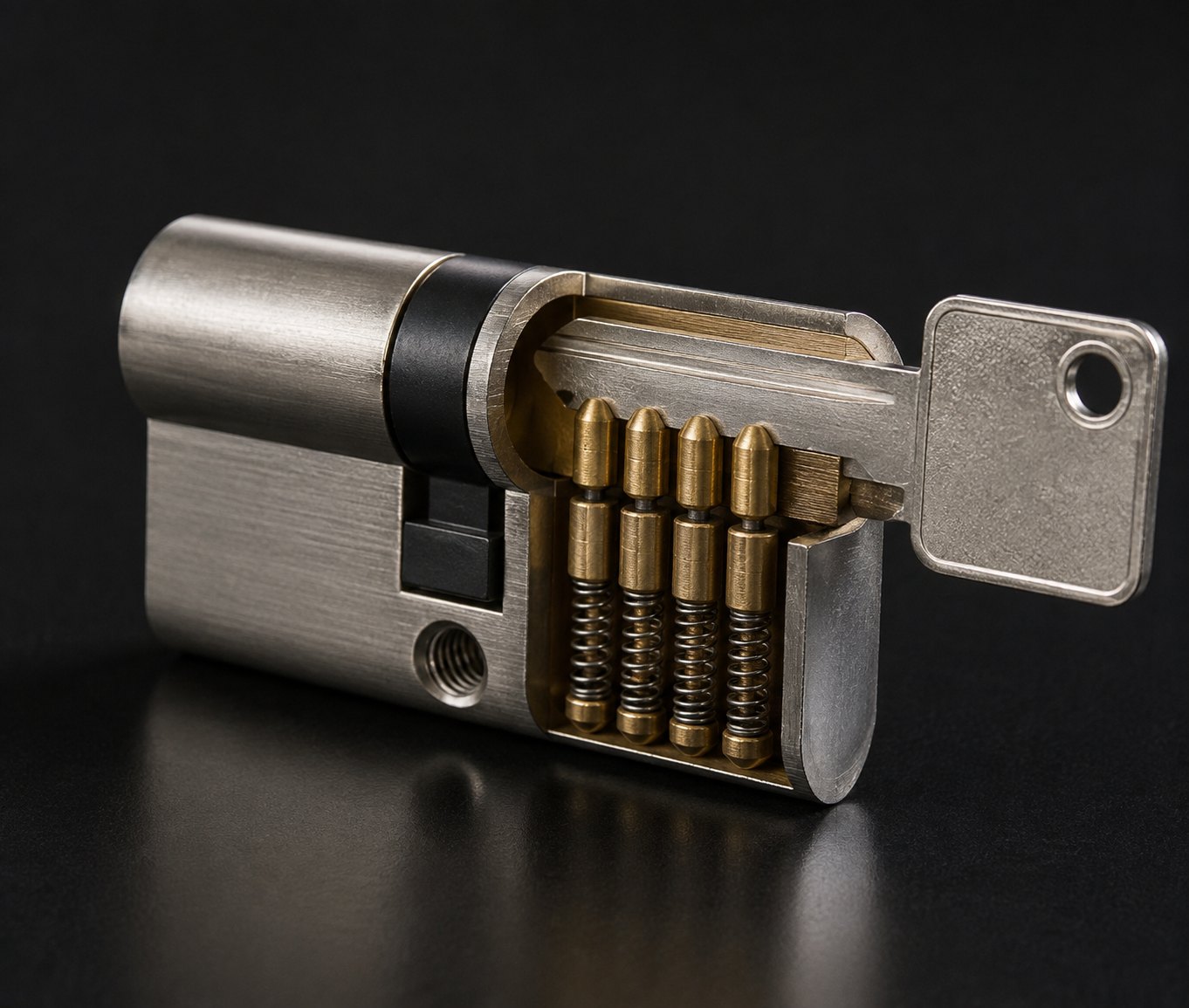
Both start the same way: the key needs jiggling, then a particular angle, then a particular angle on a particular day. The difference matters, because a key is a small job and a cylinder is not. A key wears at its cuts and can be re-cut to the original code; a cylinder wears at its wafers and springs, usually helped along by water sitting where it should not. The check is straightforward with the right kit in hand, and it is the first thing done — not something discovered halfway through a replacement you have already agreed to.
A snapped key is not a wrecked ignition
Keys break where they are thinnest, usually at the shoulder, and usually on a cold morning with someone leaning on them. Leave the fragment exactly where it is: turning what is left, probing at it, or flooding the cylinder with penetrating oil all drive it deeper and turn a ten-minute extraction into a replacement. Extraction tools are standard kit, the cylinder normally survives, and a fresh key can be cut to the bike's code in the same visit so you ride away rather than waiting on a part.
How the visit goes
Start to finish, so nothing on the day is a surprise.
- Step 01
Describe the symptom
Sticking, spinning freely, refusing the key, or a key snapped inside — and whether it started suddenly or crept up over months. That is most of the diagnosis before anyone drives out.
- Step 02
Key or cylinder, established first
We check the key against the bike's code and the cylinder's own condition, then tell you which is failing and what each fix involves, before any part is ordered or removed.
- Step 03
Repair, extraction, or replacement
A worn key is re-cut. A broken one is extracted. A cylinder past saving is replaced — and wherever the machine allows, keyed to your existing key so the seat and luggage still match.
- Step 04
Tested with you before we leave
The bike started, the steering lock worked through its range, and every key you keep tried in every lock it is supposed to open.
What to expect
The key and the cylinder are diagnosed separately — replacing a cylinder that was only ever suffering a worn key is the most common unnecessary bill in this job
A snapped key is usually extracted with the cylinder intact, rather than the whole switch being written off
Wherever the machine allows, a replacement cylinder is keyed to your existing key so the bike stays on one key
Asked before calling
The questions this job actually gets, answered the way they would be on the phone.
It can be the switch behind the cylinder rather than the lock itself, and it can also be the immobiliser refusing a key it does not recognise. Those are three different faults with three different fixes. Describe exactly what the dash does when you turn the key, because that is what separates them.
Where we go
Motorcycle work is mobile across the GTA — the technician and the equipment come to you, 24/7. Based at 470 N Rivermede Rd, Vaughan.
- Toronto
- Vaughan
- Markham
- Brampton
- Mississauga
- Richmond Hill
- Scarborough
- Pickering
- Ajax
- Oshawa
More motorcycle work
Not the job you have? The rest of what we do on this side of the trade — every one of them its own page, written the same way.
 01
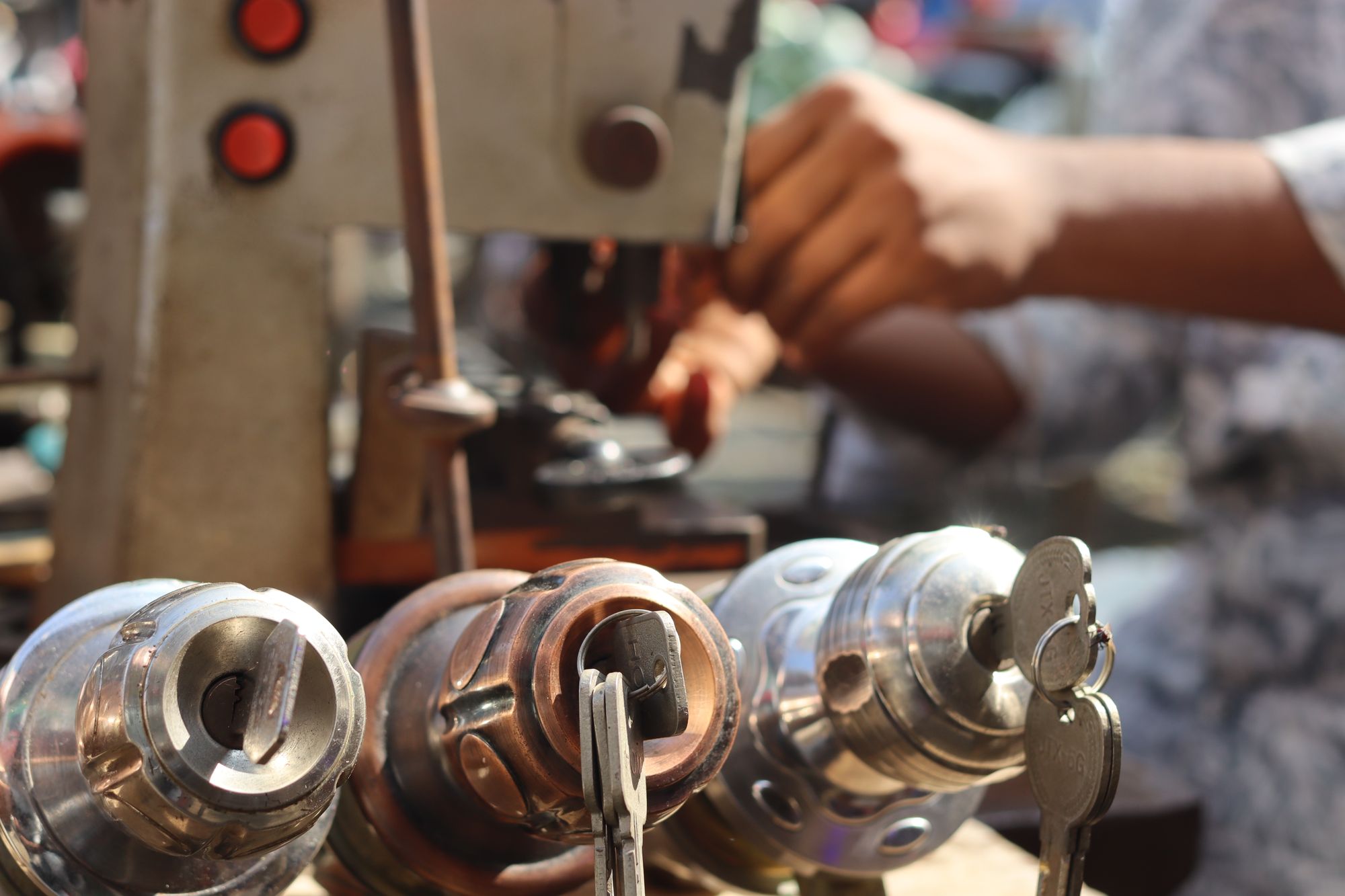
01Motorcycle Key Replacement
A new key cut for your bike where it is parked — including when every key is gone.
 02
02Motorcycle Key & Immobiliser Programming
The electronic half of a modern bike key — programmed to the machine so it actually starts.
 03
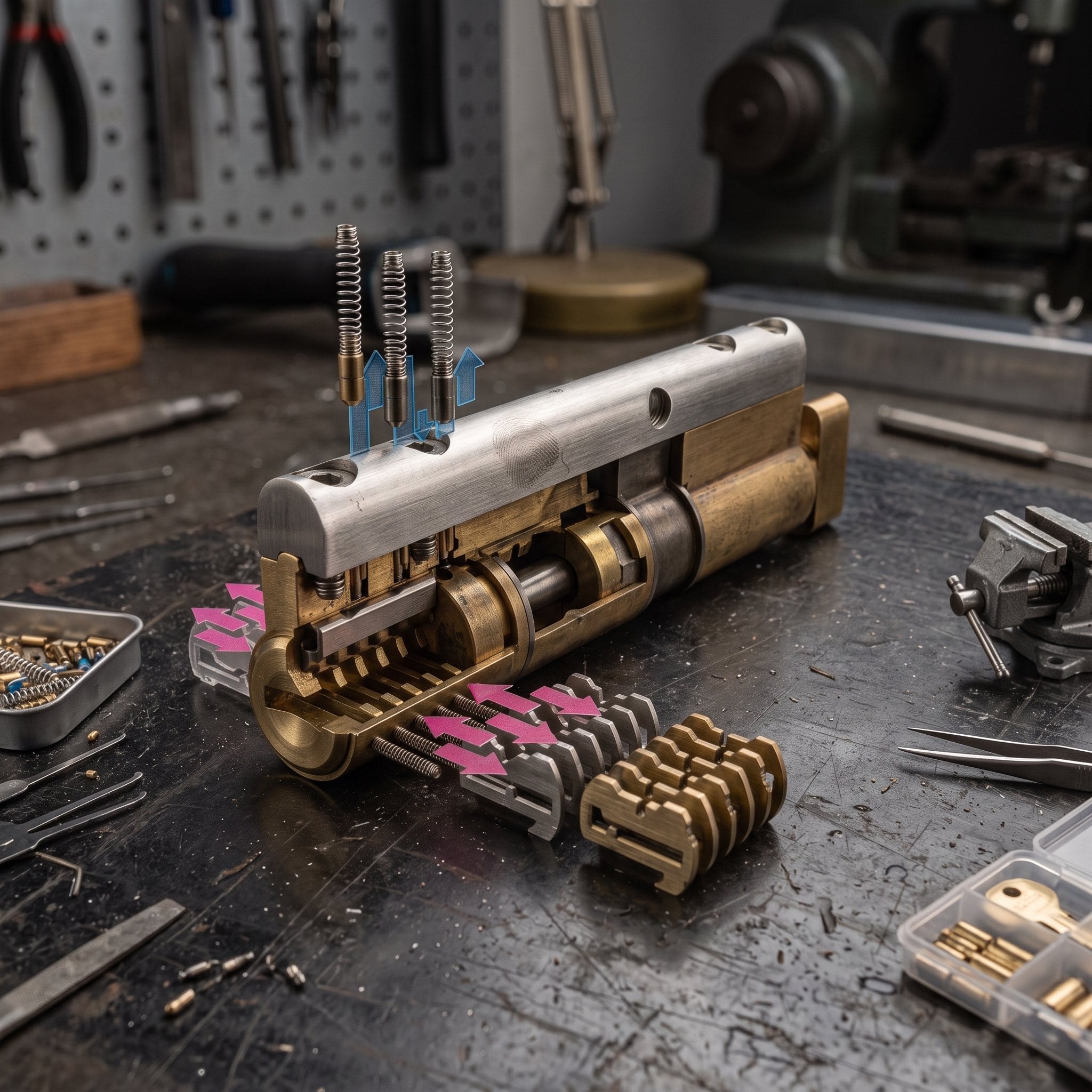
03Motorcycle Lockout & Storage Locks
Seat locks, topcases, panniers and fork locks opened without wrecking the hardware.
The other doors
Everything LAK does sits in one of these: your car, your bike, your home or your business.
- (01)Emergency4 services
- (02)Automotive7 services
- (03)Motorcycle4 services
- (04)Residential4 services
- (05)Commercial4 services