✳Keys & Fobs
Car keys, from the insidePart 3 of 3
Four checks that take about five minutes, before you pay anyone to program a replacement remote you might not need.
✳On this page
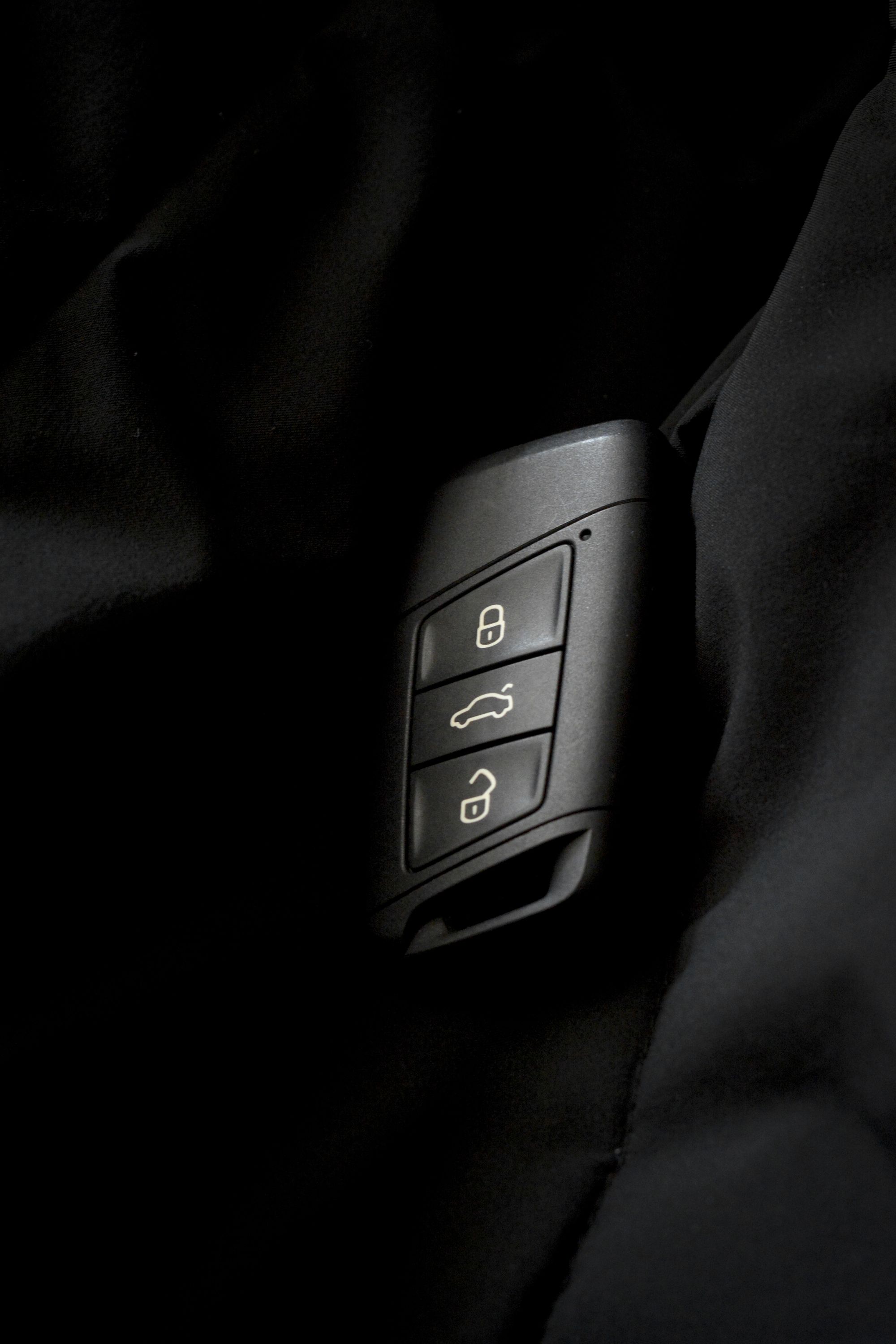
A dead key fob is one of the few automotive problems where the fix is often a two-dollar part and five minutes in a car park. It is worth ruling that out before booking anything, because the alternative — cutting and pairing a replacement — is a real job with a real price.
Check 1: does the spare work?
If you have a second fob, this is the fastest diagnostic you own. A working spare means the car is fine and the fault is inside the first fob. Both dead at once points somewhere else — the vehicle's own battery, or the receiver — because two fobs rarely fail the same week.
Check 2: hold it against the start button or the handle
Nearly every push-to-start vehicle has a backup reader, usually behind the start button itself or in a marked spot on the steering column, and many bladeless door handles read the key at very close range. If holding the fob against it makes the car respond, the passive transponder is alive and well and only the battery-powered remote half has stopped. That is a coin cell, essentially every time.

Check 3: change the battery properly
Open the fob at the seam with a coin or a small flat screwdriver. Before lifting the old cell out, note which face is up — fitting it inverted is the most common reason a fresh battery appears not to help. Fit the same type, usually a CR2032 or CR2025, avoid touching the board, and close it until the seam is fully seated. Then test from a few metres away rather than with the fob against the glass.
On the great majority of vehicles this does not erase anything. The pairing is stored in the car, not in the battery.
Check 4: distance and interference
If range shortened rather than vanished, try somewhere else before concluding the fob is faulty. Underground parking, loading docks and spots near transmitters can drown out a fob's signal entirely, and a fob that works on the street and not in the garage is describing the garage.
What each outcome means
- Spare works, new battery fixes it. Done. No locksmith required.
- Car responds to the backup reader but the buttons never work. The remote circuit has failed — replacement and pairing.
- Nothing responds at all, on either fob. Look at the vehicle before the keys: a flat car battery presents exactly like this.
- The engine will not start although the doors work. That is a transponder or immobiliser issue, not a remote one — see how transponder keys work.
When it really is the fob
Fobs die in three ordinary ways: water, a cracked board from repeated drops, and worn button contacts. A replacement has to be paired to the vehicle, which is the same operation as programming a proximity key. If your car currently has one working fob and one dead one, that is the moment to fix it — a single-key vehicle is the setup that turns a lost key into an all-keys-lost job.
(01)Step by step
How to do it
- Time needed
- PT5M
Tools
- A small flat screwdriver or a coin
- A replacement coin cell (usually CR2032 or CR2025)
- 01
Try the spare fob
If a second fob works normally, the problem is in the first fob, not in the car. If neither works, the receiver or the vehicle's battery is a likelier cause than two fobs failing at once.
- 02
Hold the fob against the start button or the door handle
Most vehicles have a backup reader that reads the passive chip at close range. If the car responds this way, the transponder is alive and only the remote's radio has stopped — which is almost always the coin cell.
- 03
Replace the coin cell
Open the fob at the seam with a coin or a small flat screwdriver, note which way up the cell sits, and fit a fresh one of the same type. Do not touch the circuit board. Close it and test from a few metres away.
- 04
Test at distance and check for interference
If range is short rather than absent, test away from the original spot. Underground garages and areas near transmitters can swamp the fob's signal, and that is an environment problem rather than a fault.
(02)Objections
Frequently asked
- Does replacing the battery erase the programming?
- On the overwhelming majority of vehicles, no. The pairing lives in the car's immobiliser and in non-volatile memory in the fob, and a battery change does not touch either. A small number of models ask for a short resynchronisation afterwards, which is in the owner's manual.
- My fob works only at very close range. Is it failing?
- Usually it is the battery on its way out — range shortens before it disappears. Replace the cell first. If range is still poor with a fresh one, the antenna or a cracked solder joint inside is the next suspect.
(03)Ask
Have a question about this?
Questions are read by a person and answered here on the page. We don't collect your email, so we can't reply privately.
(04)Series
Car keys, from the inside
- 01All keys lost: what a locksmith can do at the vehicle
- 02How transponder keys work — and why a cut key won't start the car
- 03Is the fob dead, or is it just the battery?Reading
(05)Written by
LAK Locksmith Team
Locksmiths and key technicians
LAK Locksmith has been working across the Greater Toronto Area since 2021, from 470 N Rivermede Rd in Vaughan. These guides are written by the technicians who do the work — residential, commercial and automotive — and are kept to what can be demonstrated on a doorstep rather than what sells.
All articles by LAK Locksmith Team