✳Security Advice
What an electronic deadbolt genuinely changes, what it does not, and the three failure modes worth planning for before one goes on your front door.
✳On this page
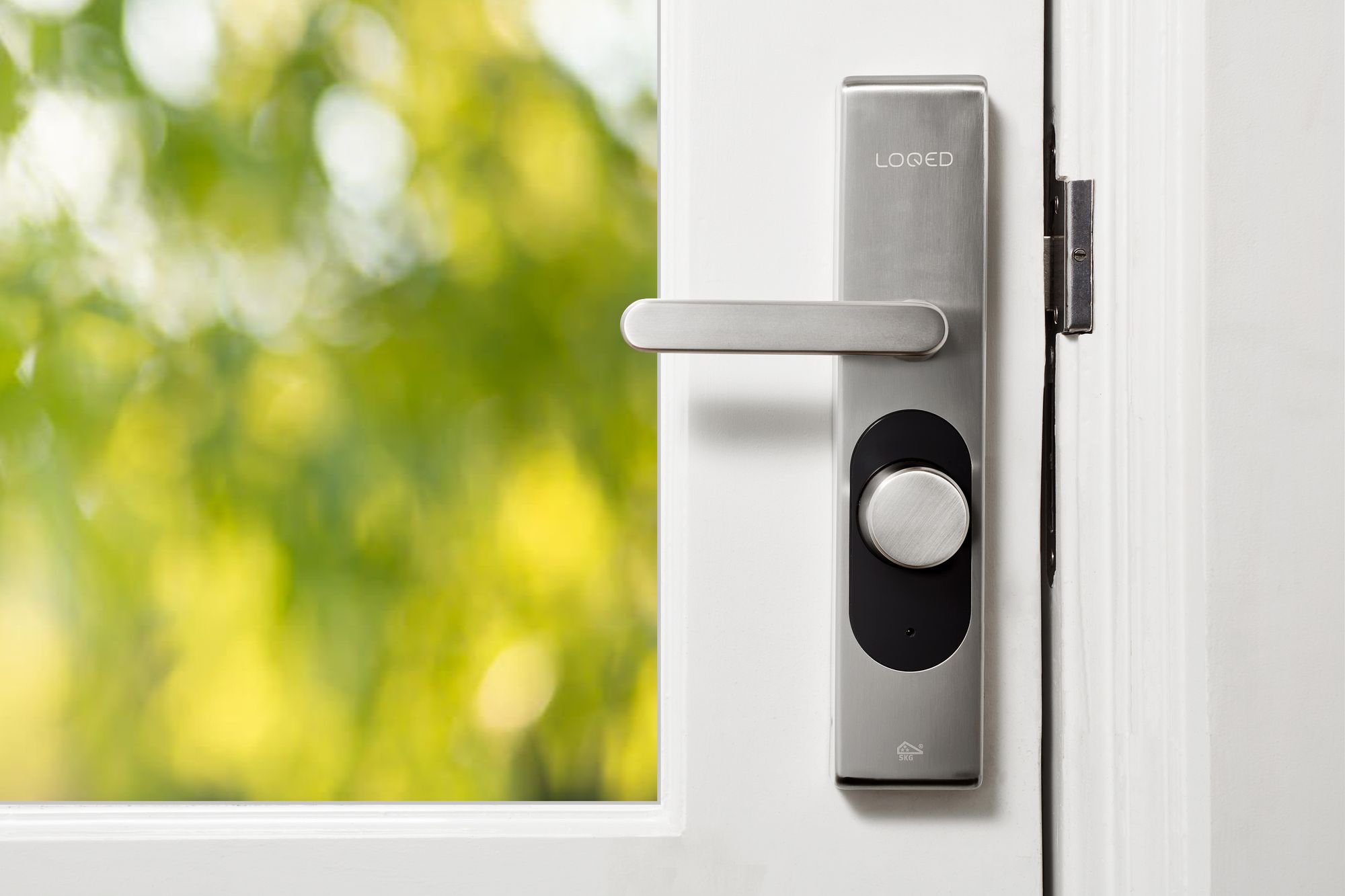
Are smart locks worth it is really two questions wearing one coat: does an electronic lock make a door harder to get through, and does it make a household easier to run. The honest answers are "not really" and "often, quite a lot" — and confusing the two is how people end up disappointed.
What actually improves
Keys stop being the bottleneck
A code for a dog walker that expires on Sunday, a code for the contractor that works between eight and five, a code you can revoke from your phone the day someone stops needing it. Every one of those replaces a physical key that had to be cut, handed over, and trusted to come back. For a household with tradespeople, care workers, tenants or teenagers, this is a real change in how the door is administered.
Auto-locking
The most common security failure on any residential door is that nobody threw the deadbolt. A lock that throws itself thirty seconds after closing removes that failure entirely, and it is the feature most owners end up valuing most.
You know when the door opened
A timestamped log is genuinely useful — for a rental, a home business, or simply knowing the kids got in.

What does not improve
The bolt is the same bolt. The strike is the same strike. The jamb is the same jamb. Forced entry on a residential door almost always defeats the frame rather than the lock, and no amount of connectivity changes that — see deadbolt grades explained for where that money is actually better spent.
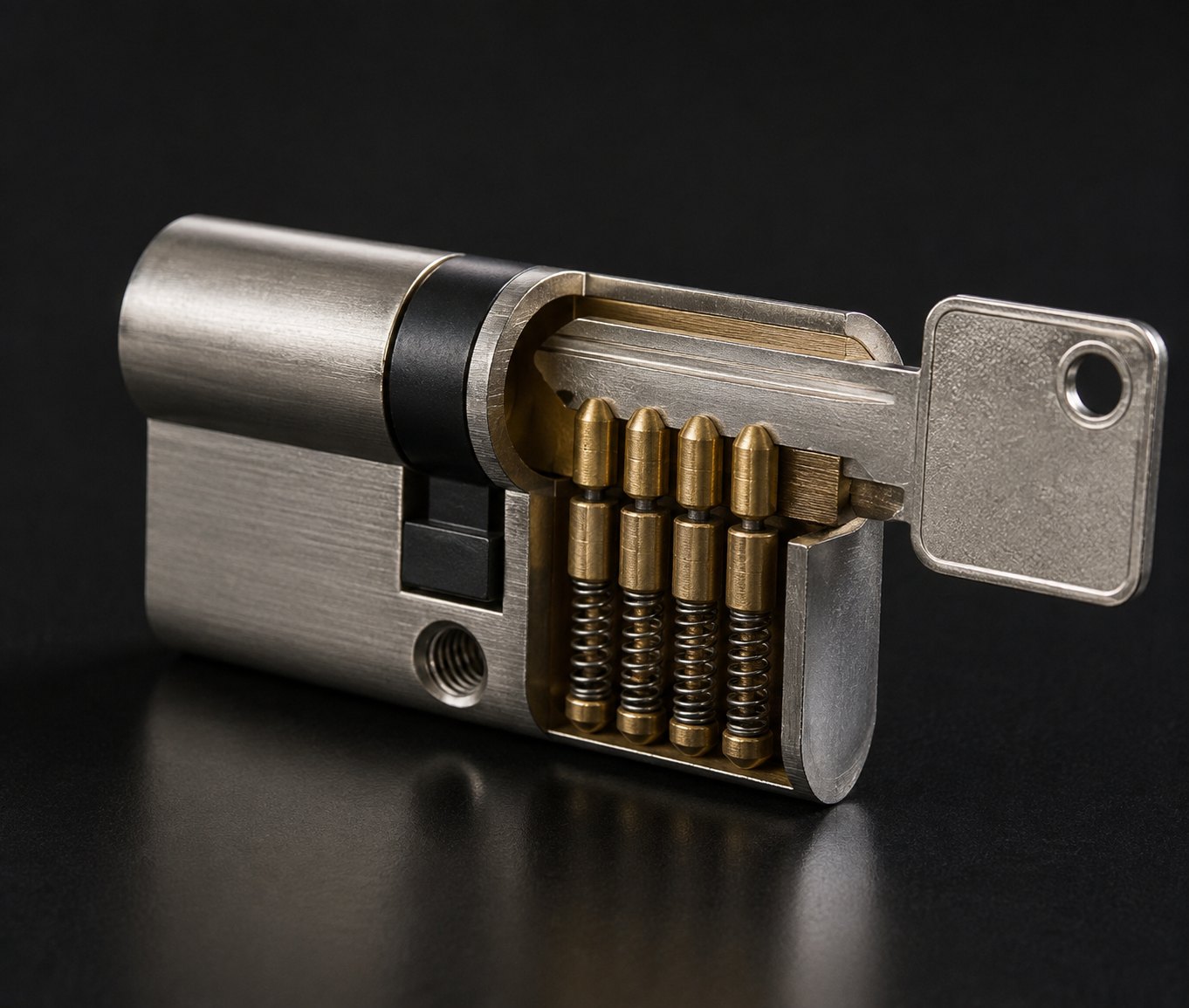
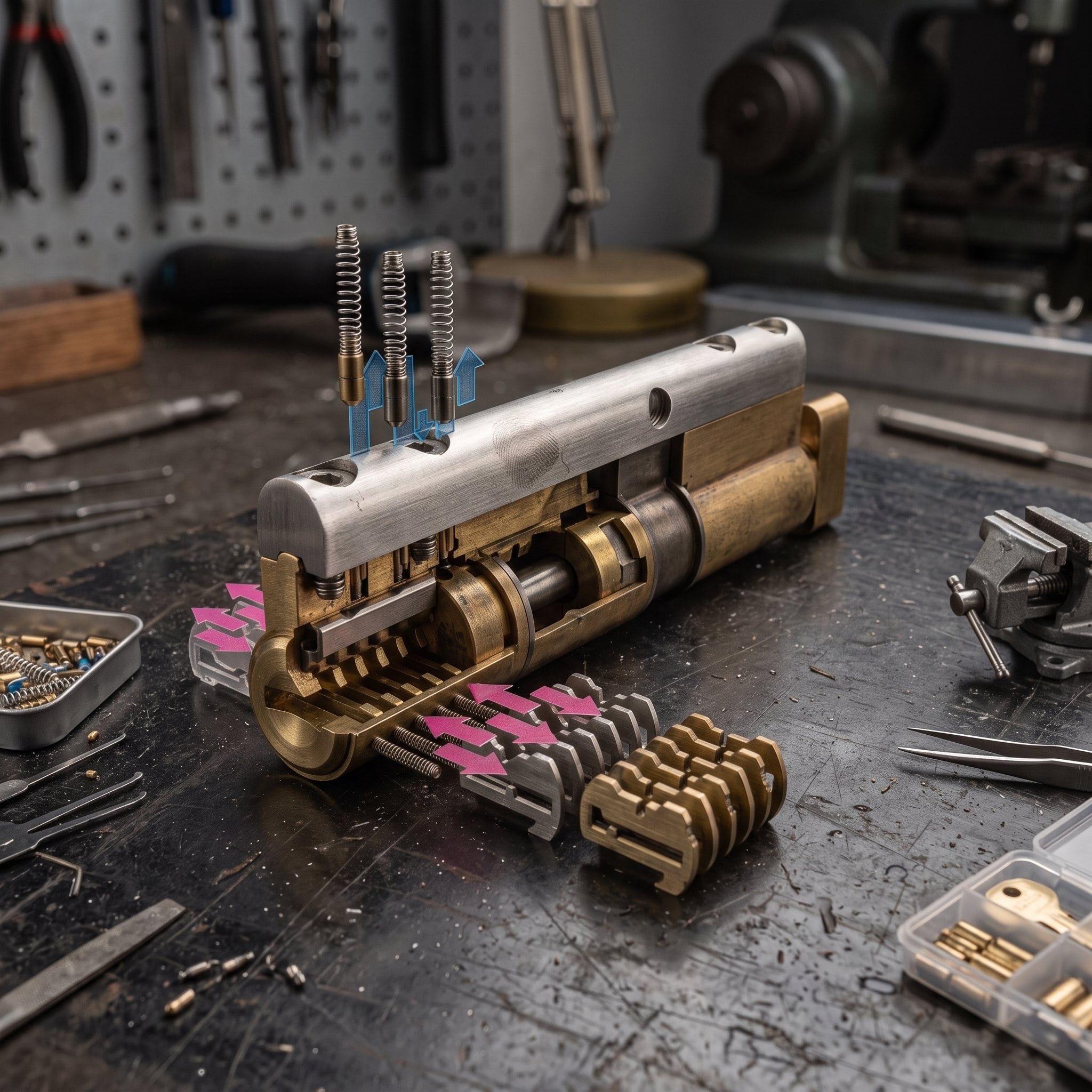
There is a second, quieter issue: on retrofit models that keep a mechanical keyway, the cylinder is sometimes an ordinary builder-grade one. The door now has an electronic front end and the same pickable back door it always had.
Three failure modes to plan for
1. Power
Batteries fail slowly and warn you for weeks, and most people ignore the warning. Choose a model that exposes external contacts so a 9V battery can power it from outside, or keep a mechanical keyway. A unit with neither is one flat battery away from a locksmith call.
2. Connectivity
The lock should work fully offline. If the keypad or the physical key stops working when the Wi-Fi is down or the manufacturer's service is having a bad day, that is a design you should not accept on your only entrance.
3. The account
Whoever controls the app controls the door. On a shared home or a rental this needs deciding before installation, not after an argument. Codes should be per-person rather than shared, and there should be a written list of who holds what.
Who should probably buy one
Households that hand out access regularly; anyone who habitually forgets to lock up; short-term rentals and secondary suites; people for whom turning a key is physically awkward.
Who probably should not
Anyone whose door already has a bad frame — fix that first. Anyone who wants one specifically because they believe it is harder to break through, because that is not what they buy. And anyone unwilling to think about batteries occasionally.
Fitting is where most of the problems come from
Electronic deadbolts are less tolerant of a misaligned door than mechanical ones. If the bolt currently needs the door pulled or lifted to throw cleanly, the motor will fight that every cycle and the batteries will pay for it. Align the door and the strike first. It is the difference between a lock that lasts years and one that is replaced in eighteen months.
(01)Objections
Frequently asked
- Are smart locks less secure than a normal deadbolt?
- Not inherently — the bolt, strike and frame are the same, and those are what fail under force. What changes is the addition of electronic failure modes and, on models with a mechanical keyway retained, a cylinder that is sometimes lower grade than the electronics suggest.
- What happens when the batteries die?
- Most units warn for weeks first and many expose external contacts so a 9V battery held against them powers the lock long enough to open it. Models with no keyway and no external contacts are the ones to avoid, or to pair with a second, mechanical entry point.
(02)Ask
Have a question about this?
Questions are read by a person and answered here on the page. We don't collect your email, so we can't reply privately.
(03)Written by
LAK Locksmith Team
Locksmiths and key technicians
LAK Locksmith has been working across the Greater Toronto Area since 2021, from 470 N Rivermede Rd in Vaughan. These guides are written by the technicians who do the work — residential, commercial and automotive — and are kept to what can be demonstrated on a doorstep rather than what sells.
All articles by LAK Locksmith Team